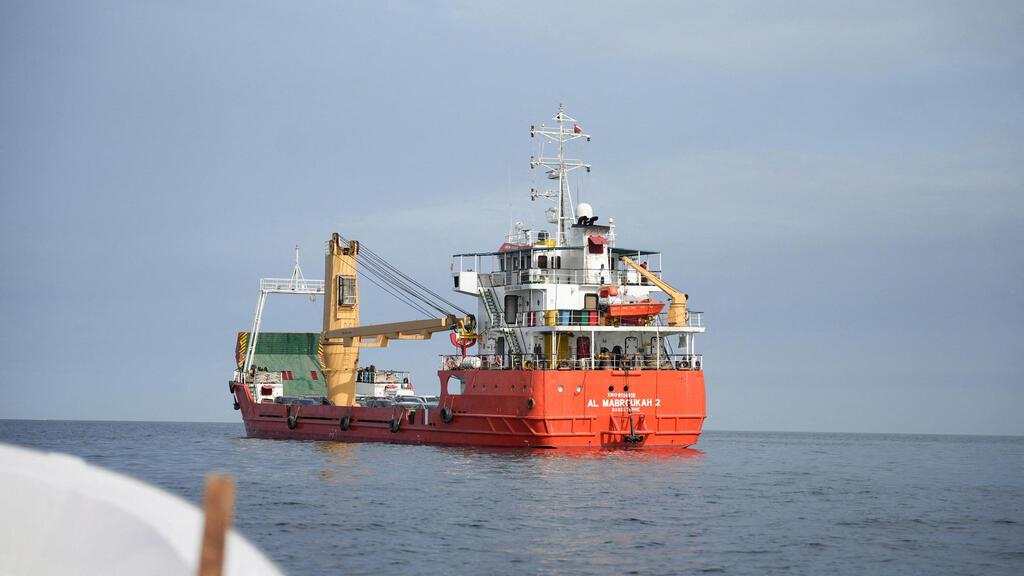
US pressure on Iran aims to sway China, which buys 90% of its oil; Xi warns of ‘law of the jungle’ as rising costs test Beijing, while Trump risks ties ahead of a key China visitFor 40 days of war with Iran, China remained relatively restrained. It issued condemnations of the Israeli and U.S. strikes and called for protecting Gulf states targeted by Iran, but avoided escalating its strategic rivalry with Washington. Beijing refrained from harsh rhetoric, did not exploit the diversion of U.S. resources from Southeast Asia to increase pressure on Taiwan, and, while reportedly involved in efforts to end the war, stayed largely behind the scenes.5 View gallery Trump and Xi Jinping. The US president is pressing Beijing to use its influence over Tehran (Photo: shutterstock' AFP / JOHN HAMILTON / US DEPARTMENT OF DEFENSE, AP PhotoAlex Brandon8)In comments released as part of a summary of his meeting with UAE President Mohammed bin Zayed, Xi did not directly mention Trump or the United States, but said international law cannot be applied selectively or ignored when it is inconvenient. The remark was widely seen as a pointed reference to Trump, who earlier this year said he does not need international law and would decide when it applies.China’s Foreign Ministry was more explicit, warning that the U.S. blockade would escalate confrontation, increase tensions despite a fragile ceasefire and threaten safe navigation through the Strait of Hormuz.During the war, Trump called on several countries, including China, to send naval forces to help reopen the Strait of Hormuz, a strategic route through which about a fifth of global oil consumption passes and which Iran had blocked as economic leverage. China ignored the call to act against its ally Iran and, unlike many affected countries, continued importing oil as Iranian “shadow fleet” tankers — used for years to evade U.S. sanctions — kept transiting the strait. According to the BBC, more than 58 million barrels of oil have left Iran’s Kharg Island since March 1, most of it bound for China.Trump announced the naval blockade after Iran continued restricting traffic in Hormuz even following a temporary ceasefire. The blockade applies only to Iranian ports, and the United States has also said it would work to clear mines Iran placed in the strait. Still, Iran could target vessels using drones, cruise missiles and fast boats, and without an agreement, shipping is unlikely to fully normalize.The blockade is widely seen as an attempt to pressure China to use its leverage over Tehran. China’s energy sector is highly diversified and largely domestically supplied, allowing it to avoid major economic damage so far despite rising global oil prices. It also maintains strategic reserves estimated to cover at least 100 days.U.S. Navy warns over radio not to breach Iran blockade, says vessels could be seizedHowever, the war’s effects are increasingly being felt in China. Fuel prices have risen, airlines have increased fares du
DIRECT2026年4月17日
中方驳斥美方军援指控并警告外部势力勿在中东挑动对抗
以色列新闻网以色列领先的综合性新闻门户及英文媒体