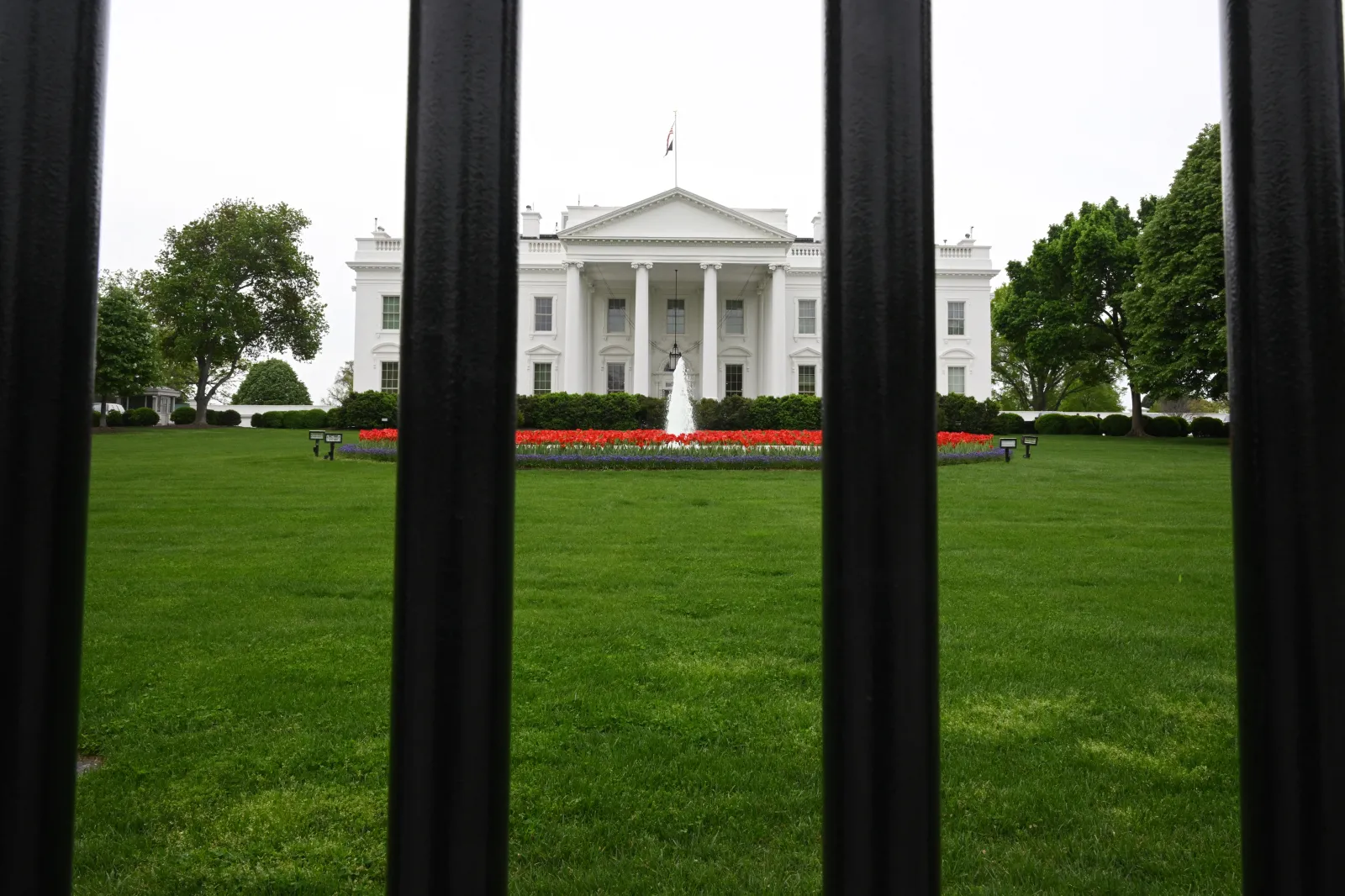
The United States is entering a new phase of great-power competition with China. But it is doing so while weakening the very institutions that made its global leadership possible.Washington talks constantly about deterrence, military posture, and alliance commitments. Yet the most consequential vulnerability facing the United States today is not military. It is institutional....The emerging divide in global politics is not simply between democracy and autocracy. It is increasingly between states that can deliver—consistently, predictably, and at scale—and those that cannot. By that measure, the United States is eroding one of its most important strategic advantages at precisely the moment it needs it most.Modern geopolitical competition is being waged less on battlefields than inside finance ministries, regulatory agencies, export-control offices, industrial planning departments, and research institutions. Industrial policy is not a speech; it is a sustained administrative project. Semiconductor reshoring, rare earth supply security, clean-energy infrastructure, and export control enforcement require long-term coordination across government and with the private sector. Sanctions regimes demand alignment between Treasury, Commerce, State, intelligence agencies, and allied governments. Alliance management depends on predictability as much as military strength.When governance systems function coherently, strategy compounds. When they fragment, even strong policies falter.For decades, American power rested not only on economic scale and military superiority but on institutional credibility. A professional civil service provided continuity across administrations. Independent regulatory bodies reassured markets. Universities anchored innovation ecosystems. Courts reinforced rule-of-law expectations. Predictable governance attracted capital and strengthened alliances.Today, that institutional edge shows signs of strain. Comparative indicators suggest that while the United States remains strong in many areas, it no longer consistently outperforms peer democracies in governance effectiveness or institutional trust. On measures of rule of law and constraints on government authority, it ranks behind several advanced democracies. Income inequality exceeds that of most OECD peers. Public confidence in major institutions—including Congress and the media—has declined sharply over the past two decades.Over the past decade, institutional volatility has intensified. During the Trump administration, proposals such as “Schedule F” sought to expand political control over portions of the federal civil service, potentially weakening merit-based protections designed to preserve continuity across administrations. Public pressure on independent institutions, including the Federal Reserve, introduced signals of uncertainty into financial markets. Trade policy shifted abruptly, with tariffs imposed and lifted unpredictably, complicating long-term supply chain planning.Subse
DIRECT2026年4月17日
深度分析:美国治理体系失能恐削弱其对华战略优势
新闻周刊美国知名时政与深度评论媒体