《华尔街日报》4月15日报道,美国高级国防官员已与通用汽车、福特汽车和其他美国制造商的首席执行官举行了初步会谈,讨论其生产能力是否可以转向武器和军事物资。这些讨论还涉及通用电气航空航天公司和重型车辆制造商奥什科什,据称这些讨论是在更广泛的地缘冲突之前开始的,是特朗普政府扩大国防工业基础努力的一部分。
五角大楼(现在官方文件中常被称为“战争部”)表示,其关注点是产能和速度。官员们询问汽车制造商,他们的公司是否可以迅速转向国防工作,并确定了这样做面临的障碍,包括合同要求到招标过程等事宜。奥什科什公司表示,自去年11月以来一直与五角大楼进行对话,并一直在主动识别与军事需求匹配的能力。
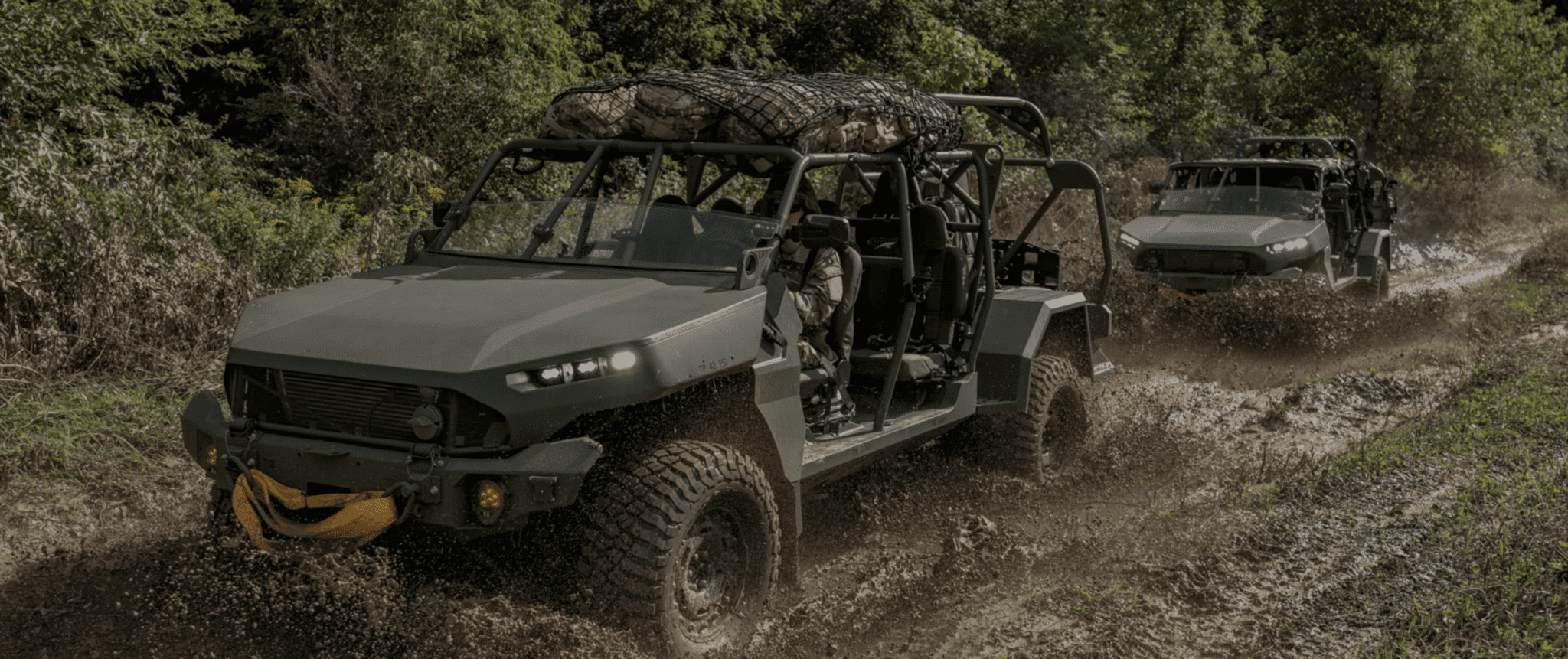
此前已有先例:通用汽车运营着一家国防子公司,生产基于雪佛兰库罗德平台的轻型步兵班用车,并被认为是制造陆军下一代车辆以取代悍马的主要竞争者。通用和福特在二战期间也对美国的军工生产至关重要。当时底特律的汽车制造商停止了民用生产,转而制造轰炸机、飞机发动机和卡车。然而,由于现代武器系统需要与汽车生产实质不同的专业制造公差和供应链,它们在应对21世纪战争方面的能力还有待观察。
A pivot into weapons production adds another layer of complexity to an already challenging business landscape, but for some OEMs it could serve as a lifeline. By Stewart Burnett
Senior US defence officials have held preliminary talks with the Chief Executives of General Motors, Ford Motor and other US manufacturers about whether their production capacity could be redirected toward weapons and military supplies, the Wall Street Journal reported on 15 April. The discussions, which also involved GE Aerospace and heavy vehicle maker Oshkosh, reportedly began before the war in Iran and are part of a broader effort by the Trump administration to expand the defence industrial base.
The Pentagon—now often referred to in official documents as the “Department of War”—has stated that its concern is capacity and speed. Officials asked automakers whether their companies could rapidly shift to defence work and identified barriers to doing so; matters ranging from contracting requirements to bidding processes. Oshkosh, whose core revenue is non-defence despite its existing military vehicle programmes, said it had been in dialogue with the Pentagon since November and has been proactively identifying capabilities that match military requirements.
To be sure, there is some precedent for the inquiry: GM already operates a defence subsidiary producing a lightweight infantry squad vehicle based on the Chevrolet Colorado platform and is considered a leading contender to build the Army’s next-generation vehicle to replace the Humvee. Both GM and Ford were also crucial to the US’ ‘Arsenal of Democracy’ during the Second World War.
Detroit’s automakers halted civilian production during the Second World War to manufacture bombers, aircraft engines, and trucks. It remains to be seen, however, how up to the task they will be for 21st Century warfare: modern weapons systems require specialist manufacturing tolerances and supply chains that differ substantially from vehicle production. All currently-available information indicates that the automakers themselves have not indicated any willingness to commit to the arrangement.
GM is already contracted to produce infantry squad vehicles for the US Department of Defense
For the Pentagon, the rationale is straightforward. Years of weapons transfers to Ukraine and support for Israeli activities in the Gulf have whittled down US munitions stockpiles; the Iran conflict has only accelerated that depletion. In response, President Donald Trump requested a US$1.5tr military budget earlier in April—comfortably the largest in modern history—with major investments in munition and drone manufacturing among its stated priorities. Defence Secretary Pete Hegseth (now also the self-styled “Secretary of War”) has framed the industrial mobilisation as placing the US on a “wartime footing”, the language and intent of which clearly go beyond contingency planning.
The Pentagon’s outreach to Detroit reflects a wider pattern of civilian manufac