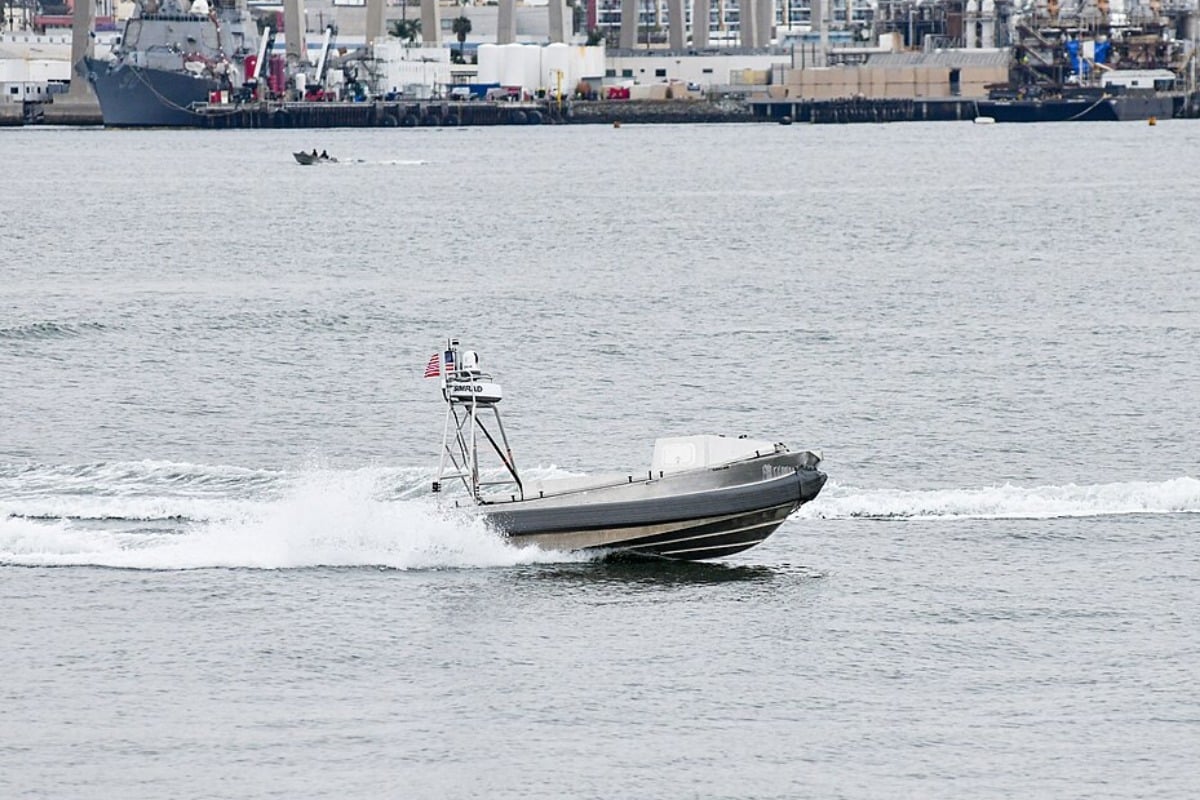
2025年8月,一次长达约一小时的“星链”断网事故导致美国海军在加州海岸的尖端无人机演习陷入停顿,切断了约24艘无人水面舰艇的通信。这次事故已成为五角大楼内部讨论的焦点,暴露出实验性无人机和海上项目对私营卫星网络的过度依赖。根据海军安全报告,该故障切断了多艘遥控船只的指挥链路。文件还提到,2025年4月的测试已因高数据需求导致网络紧张。防务分析师布莱恩·克拉克表示,军方目前正进行一种“计算过的博弈”,认为“星链”的普及性抵消了断网风险。尽管如此,此次故障推动了军方建立多供应商指挥控制架构的努力。与此同时,SpaceX在国家安全发射领域的地位不断加强,由于联合发射联盟(ULA)的“火神”火箭出现问题,美国太空军已将多项GPS III发射任务移交给SpaceX。目前,SpaceX在低轨道运行约1万颗卫星,集中了美军大量的通信连接。

全球防务头条
Global Defense Headlines
“星链”通信故障导致美海军无人舰艇在演习中瘫痪
Hoodline
美国地方性深度报道及超本地化媒体
摘要
2025年8月发生的一起严重事故近日被披露,因“星链”卫星通信系统出现约一小时的突发故障,导致在加利福尼亚海岸执行任务的约二十多艘美国海军无人水面舰艇(USV)集体失控并瘫痪。此次事件迫使指挥官紧急叫停了这项尖端无人机演习。五角大楼内部报告指出,美军对私营商业卫星网络的依赖已成为单一故障点风险。早在同年4月的试验中,“星链”网络就曾因处理多机协同的高流量需求而出现过载。尽管防务专家承认该系统具有低成本和高覆盖的优势,但此次实战化演习中的失能现象引发了军方对于战场抗风险能力的深刻质疑。目前,美军内部正加速推动多供应商、多链路的冗余指挥架构建设,以降低对单一商业平台的依赖。同时,由于传统发射方案受阻,SpaceX在国家安全发射领域的垄断地位正进一步加强,这加剧了军方对其在未来冲突中可靠性的技术隐忧。
中文译文
英文原文
▼
收起原文
For roughly an hour last August, a Starlink outage turned a cutting-edge Navy drone exercise off the California coast into an unexpected timeout, cutting communications to about two dozen unmanned surface vessels and forcing commanders to hit pause. Inside the Pentagon, that short blackout has since become a talking point about just how dependent experimental drone and maritime programs have become on a privately run satellite network.
According to a Navy safety report and internal documents cited by Reuters, the outage struck during an August 2025 exercise and severed the command link to multiple remotely operated boats and drones, abruptly halting the multi‑vehicle test. The same documents note that April 2025 trials had already strained the Starlink network due to the very high data demands of coordinating multiple vehicles at once, prompting Navy officials to flag the danger of relying on a single point of failure.
Bryan Clark, a defense analyst, told Reuters that the military is essentially making a calculated bet: Starlink's ubiquity and low cost outweigh outage risks. Even so, the safety paperwork has added fuel to a growing internal push for hardened backups and multi‑vendor command‑and‑control architectures.
Launch swaps deepen SpaceX's role
The outage landed at a time when SpaceX's role in national security launches was already expanding. In March 2026, the U.S. Space Force reassigned the GPS III SV‑10 mission to a SpaceX Falcon 9, the fourth recent shift of that kind, after United Launch Alliance's Vulcan ran into problems, according to SpaceNews.
Big constellation, small margin for error
SpaceX now operates roughly 10,000 active Starlink satellites in low‑Earth orbit, giving the company enormous global coverage but also concentrating a significant slice of U.S. military connectivity inside a single commercial network, as reported by Space.com. Public federal records and procurement filings also highlight Starshield, a military‑focused variant of Starlink, along with related task orders described in federal documents.
What comes next
Officials and outside experts say the solution is not to cut off commercial providers but to build more redundancy into the system: multi‑vendor satellite communications, on‑site failovers and tougher requirements for critical command‑and‑control links. For now, the Navy and other services are testing alternatives and tweaking acquisition plans to shrink the odds that a single corporate outage can sideline an otherwise ready force.
Last August's outage effectively served as a live-fire lesson. It showed how cheap and fast commercial capability can speed up fielding, and just as clearly that resilience has to catch up. Lawmakers and defense planners are already pressing on the next question: whether the current pace of procurement can be matched by engineering and contracting changes robust enough to keep those networks reliable in contested environments.