The US and Iran are considering a two-week ceasefire extension to allow more time to negotiate a peace deal, according to a person familiar with the matter, reducing the risk of renewed fighting despite an intensifying standoff over the Strait of Hormuz.
With the initial truce due to expire next week, mediators are seeking technical talks to overcome the most contentious issues preventing a longer-term agreement, said the person, who asked not to be identified discussing sensitive matters. Those include reopening Hormuz and the future of Iran’s nuclear program.
Tensions remain high over the strait, a critical waterway for oil and gas that’s been effectively shuttered since the start of the war almost seven weeks ago. The US has set up a naval blockade to cut off Iranian shipments, and said Wednesday that 10 vessels have been forced to turn around. Tehran is keeping the strait closed to most other traffic.
The US and Iran are closer to extending a ceasefire and restarting negotiations about a longer team peace deal, the Associated Press reports; source: AFP/Getty Images
The standoff has reduced transit to a trickle, exacerbating an energy supply crisis that threatens the global economy.
Fighting between the US and Iran has been on hold since about April 8, shortly after a two-week ceasefire was announced by President Donald Trump the previous evening. An initial round of peace talks was held in Pakistan last weekend, though participants including US Vice President JD Vance departed without a deal.
The US hasn’t “formally requested an extension of the ceasefire,” White House Press Secretary Karoline Leavitt told reporters Wednesday. But she acknowledged “we remain very much engaged in these negotiations.”
The US is sending thousands of additional troops to the Middle East in the coming days to pressure Tehran into making a deal or to prepare for strikes if the ceasefire ends, the Washington Post reported, citing current and former officials it didn’t name. The forces include about 6,000 troops on the aircraft carrier USS George H.W. Bush and in its strike force.
Pakistan’s military said a delegation from the country arrived in Iran on Wednesday, with Islamabad continuing to mediate between the sides.
Iran sees a prolonging of the US blockade as “a prelude to a breach of the ceasefire,” said Ali Abdollahi, the commander of Iran’s joint military headquarters, according to state TV. Iran’s armed forces “will not permit any exports or imports to continue in the Persian Gulf, the Sea of Oman or the Red Sea” if the blockade continues, he said.
Oil steadied on signs the US and Iran may restart talks. Brent was stable below $95 a barrel after ending Wednesday barely changed — well below last month’s peak of nearly $120.
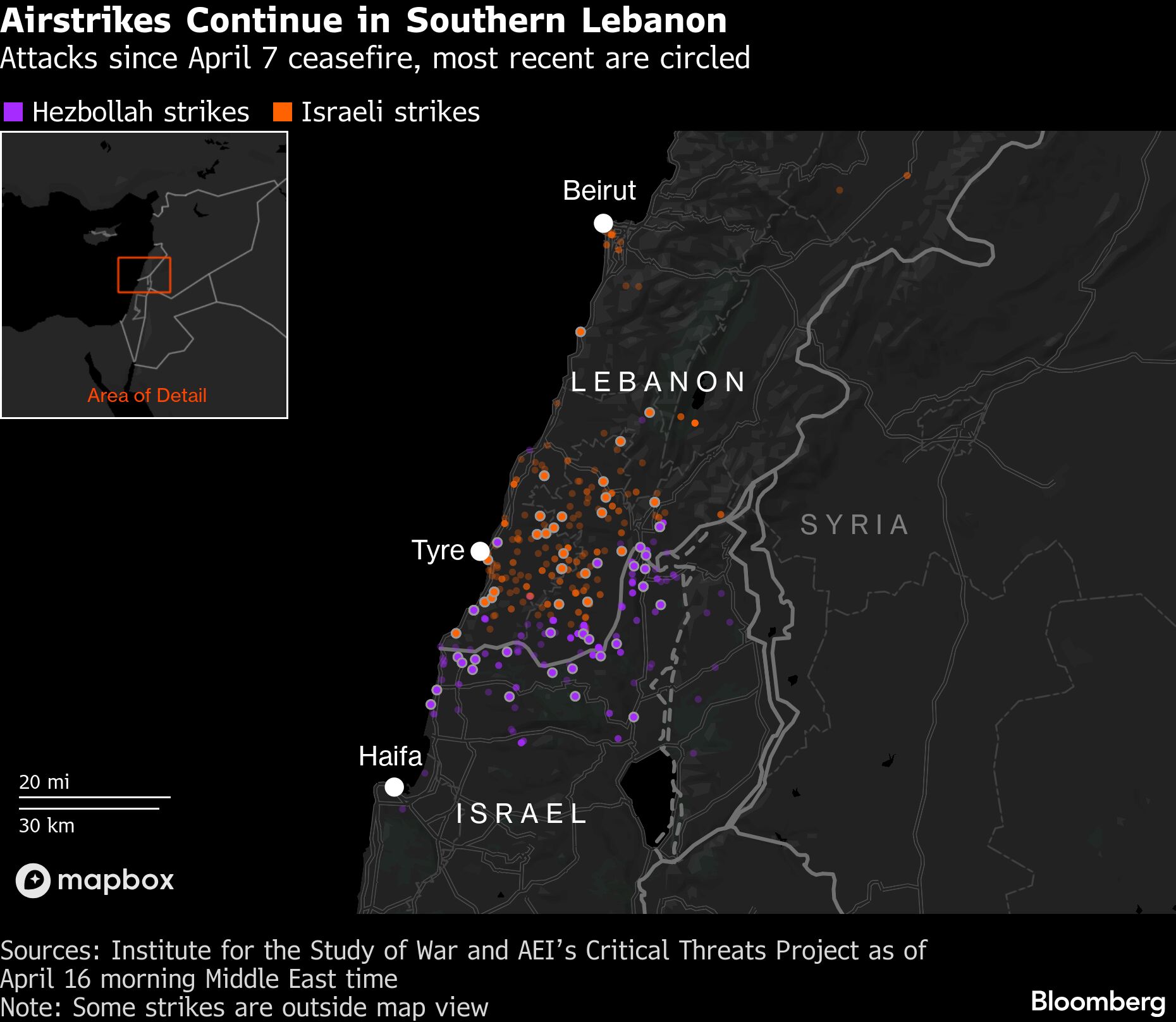
While Israel joined the US in halting attacks on Iran last week, its military has kept up the campaign against Tehran-backed Hezbollah in Lebanon, complicating the broader push for peace.
Prime Minister Benjamin Netanyahu said he told the I
DIRECT2026年4月17日
美伊商讨延长停火协议之际,美军向中东大举增兵以施加压力
保险日报关注全球风险评估与商业影响的主流媒体