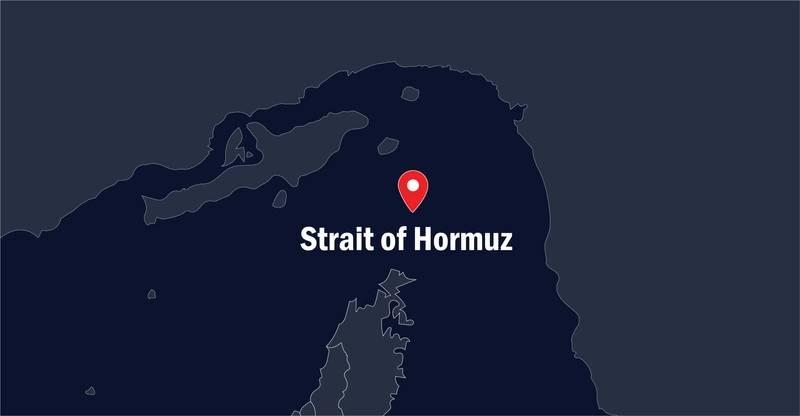
As the United States embarks on clearing mines from the Strait of Hormuz, it could draw on an arsenal of drones, explosive‑laden robots and helicopters to reduce risks, though de‑mining crews could still be vulnerable to Iranian attacks.The U.S. is trying to secure the strait from mines as part of efforts to end Iran's disruption of shipping, which has severely curbed global energy supplies since the U.S. and Israel launched strikes against Iran at the end of February.But while the U.S. can draw on modernised technology to remotely check for and remove mines, clearing a strategic waterway such as the Strait of Hormuz will still be a slow, multi‑step process, former naval officers and industry specialists say.The U.S. military said over the weekend it had started the mine-clearing operation, sending two warships through the strait, but offered few details about the equipment involved. It said on Saturday that additional forces, including underwater drones, would join the effort in the coming days.Iran had recently deployed about a dozen mines in the Strait of Hormuz, Reuters reported last month, citing sources familiar with the matter. It is not publicly known where mines may have been laid.U.S. President Donald Trump said over the weekend that all of Iran’s minelaying ships had been sunk. But there is a risk Tehran could deploy additional devices, some specialists said.Mine warfare is effective because the devices are cheap, are costly to clear and “even the threat of a minefield is enough to stop ships, especially commercial ships," said Jon Pentreath, a retired British navy rear admiral who is now a consultant.MODERNIZING MINESWEEPINGTraditionally, the U.S. Navy relied on manned minesweeping ships that physically entered minefields, using sonars to locate the devices and mechanical gear dragged behind the vessel to clear explosives, sometimes supported by human divers. Much of that aging fleet has been retired.They are being replaced by lighter vessels known as littoral combat ships, which carry modern mine‑hunting equipment such as semi‑autonomous surface and underwater drones as well as remote‑controlled robots that enable crews to distance themselves from the minefield. The navy has three of these in deployment.Two of those ships were undergoing maintenance in Singapore, a senior U.S. official told Reuters in late March. At the time, the U.S. minesweeping capacity in the Middle East included unmanned undersea vehicles, four of the traditional Avenger-class vessels, helicopters and divers, according to the official.The U.S. Navy did not respond to a comment request on the mine-clearing capability it currently has in the Middle East. U.S. Central Command declined to provide further details.Tehran is believed to possess several types of maritime mines, former naval officials and other specialists say. These include bottom mines that rest on the seabed and detonate when ships pass above, tethered mines that are anchored but float closer to the
DIRECT2026年4月17日
美军启动霍尔木兹海峡大规模扫雷行动
海洋链接国际航运与海洋工程领域资讯媒体