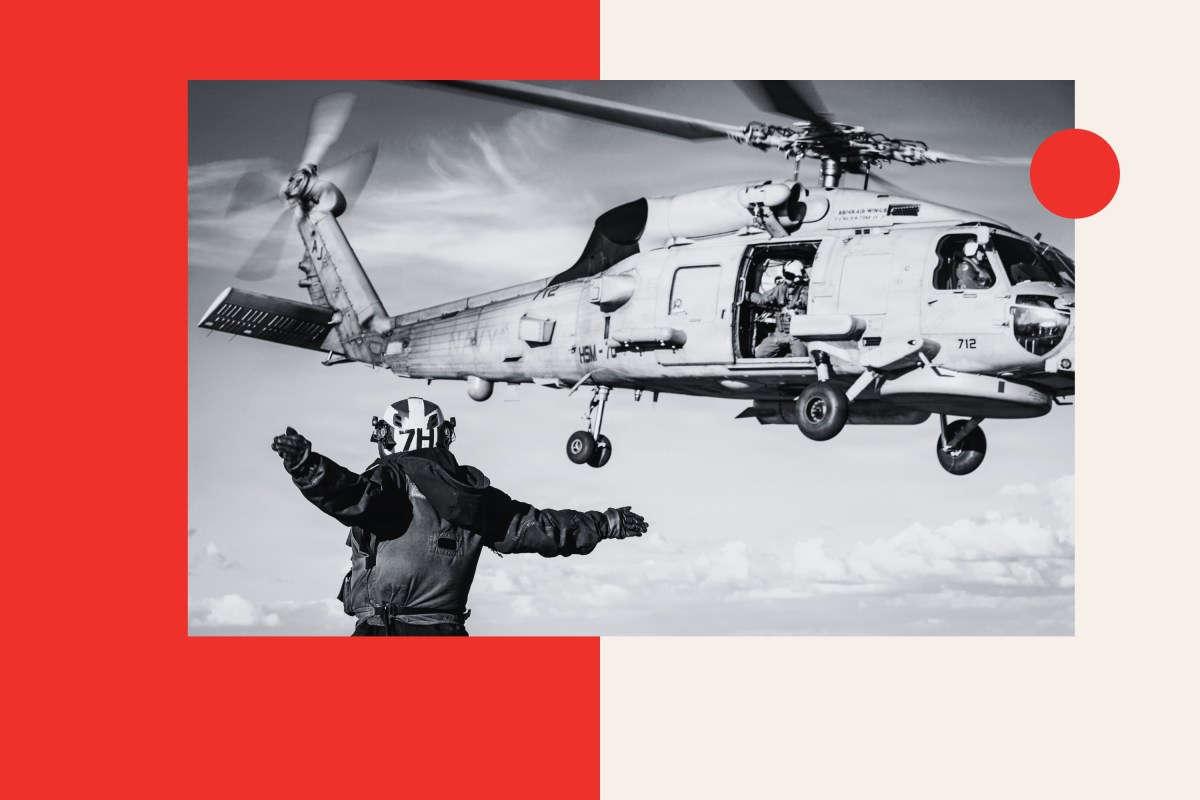
唐纳德·特朗普总统封锁霍尔木兹海峡的战略豪赌,试图颠覆中东地缘政治中一个陈旧的假设。几十年来,这条海峡一直被视为伊朗对全球经济的终极杠杆。现在,美国对通过该海峡的伊朗相关航运的封锁已明显生效,美国海军在执法的最初24小时内调头拦截了多艘曾停靠该政权港口的船只。
伊朗多年来一直通过重新挂旗和间接销售等手段逃避美国制裁。但由美国海军执行的港口封锁要难以应对得多,早期迹象表明它正在发挥作用。德黑兰曾利用其对海峡的影响力取得了巨大效果,通过无人机、导弹和水雷威胁船只,实质上切断了通过那里的全球五分之一油气贸易。包括美国在内的全世界都通过更高的油价感受到了痛苦。即使是海峡有限的不稳定性也会迅速向外波动,使伊朗能够以相对较小的代价向他人施加惩罚性成本。
这种逻辑塑造了美国的政策,历届政府都将霍尔木兹海峡视为共同的弱点。但在持续的执法下,德黑兰最大的优势开始看起来不再像杠杆,而更像是一种暴露的弱点。这种动态可能很快迫使该政权按照比其强硬言论更接近美国要求的条款达成和平。每个人都容易受到拖延政治的影响。特朗普正面临决定性的中期选举,由于伊朗战争加剧了通货膨胀,共和党对国会权力的掌控日益动摇。德黑兰正在拖延时间,因为它知道其受损的军事力量坚持得越久,该政权生存下来的可能性就越大。
The strategic gamble by President Donald Trump of blockading the Strait of Hormuz attempts to upend an old assumption in Middle East geopolitics. For decades, the strait has been treated—and feared—as Iran’s ultimate leverage over the global economy.Now, the U.S. blockade of Iranian-linked shipping through the strait is visibly in effect, with the American navy turning around multiple vessels that had visited the regime's ports during the first 24 hours of enforcement.Iran has spent years evading American sanctions through subterfuge tactics such as reflagging and indirect sales. But a blockade of its ports enforced by the U.S. Navy is much harder to defy, and the early signs are that it is working.Tehran has used its influence over the strait to great effect, essentially closing off a fifth of the world’s oil and gas trade that passes through it by threatening vessels with drones, missiles, and mines. The world, including the U.S., has felt the pain through higher oil prices. Even limited instability in the strait can ripple outward quickly, allowing Iran, with relatively little effort, to impose punitive costs on others without needing to prevail militarily. That logic has shaped U.S. policy, and successive administrations have treated Hormuz as a shared vulnerability. But this assumption rests on a symmetry that is thinner than it appears.Under sustained enforcement, Tehran's greatest advantage begins to look less like leverage and more like exposure. This dynamic may soon compel the regime to make peace on terms much closer to U.S. demands than its defiant rhetoric implies. Everyone is vulnerable to the politics of delay. Trump is facing a decisive set of midterm elections where the Republican Party's grip on congressional power is looking looser by the day, as the Iran war heats up inflation, the primary concern of voters. Tehran is playing for time, knowing the longer its degraded military can hold out, the likelier it is that the clerical regime will survive this existential war as domestic tensions grow in the U.S.But time is not on Tehran's side regarding the crucial waterway: Iran is standing in a trap of economic quicksand. Iranian Dependence on HormuzIran's economy remains structurally tied to maritime exports through the same corridor it threatens. The majority of its crude exports move through southern terminals, with Kharg Island handling roughly 90 percent of shipments. Oil revenue, in turn, supplies critical foreign exchange for imports and fiscal stability in Iran’s sanctions-hit economy. The regime is heavily reliant on oil production and exports for its government revenue. A sudden halt threatens a drastic fiscal crisis and will complicate the regime’s efforts to pay salaries, fund public services, and buy patience from its population through subsidies that help them manage the sting of high inflation and interest rates. Iran’s Toughest Battle Has Only Just BegunTehran's dependence on the strait is also harder to offset than