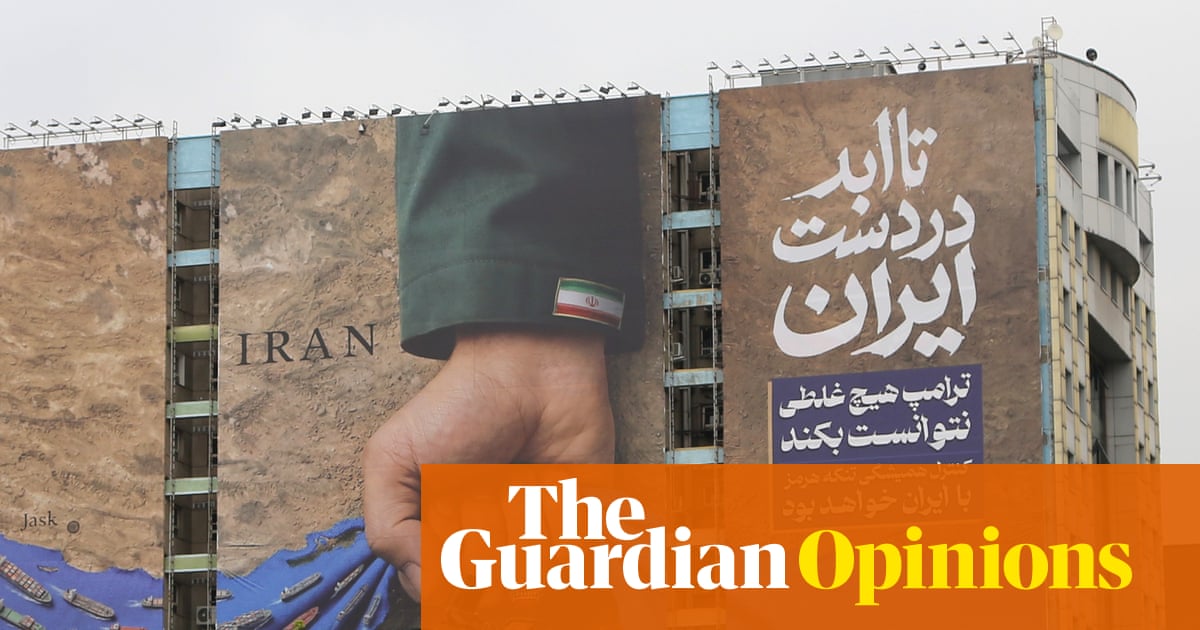
考虑到华盛顿提出的15点建议与德黑兰提出的10点建议之间存在巨大分歧,伊斯兰堡谈判未能结束美以对伊朗的战争并不令人意外。曾在2015年限制伊朗铀浓缩的《伊核协议》(JCPOA)历经两年多谈判才达成。美国副总统詹姆斯·戴维·万斯在伊斯兰堡仅停留了不到一天,谈判内容涵盖了核问题及其他多项议题。令人惊讶的是万斯对失败的解释——称伊朗拒绝了美国提出的条款。实际上美方并无资格强加条款,因为当4月8日停火协议生效时,伊朗立场坚定。但万斯似乎和他老板唐纳德·特朗普一样,认为伊朗已被击败,美国无需做出让步。
万斯回国后,特朗普迅速升级行动,对所有往返于伊朗港口、通过霍尔木兹海峡的船只实施海上封锁。封锁本身就是一种战争行为,局势已非常危险。如果伊朗通过攻击美方盟友海湾君主国的能源基础设施来回应对其石油出口的拦截,情况可能会变得更糟。这将推高石油、柴油、液化天然气和其他关键商品的价格。特朗普可能会恢复对伊朗的袭击,而以色列很可能会跟进,全面战争将再次爆发,因此重启谈判迫在眉睫。
接下来的路怎么走?幸运的是,双方都没有排除进一步谈判的可能性。此外,巴基斯坦和埃及等中间人正在幕后努力弥合德黑兰与华盛顿之间的分歧。双方都有理由避免重新开战。特朗普知道,接受以色列总理内塔尼亚胡及其团队关于对伊战争将带来胜利的保证,已经让他深陷泥潭,而更多的战争只会让这个坑更深。
The failure of the Islamabad talks to end the US-Israel war on Iran was hardly surprising, given the stark differences between Washington’s 15-point proposal and Tehran’s 10-point equivalent. The 2015 Joint Comprehensive Plan of Action (JCPOA), which capped Iran’s uranium enrichment, took more than two years to negotiate, and its roots actually reach back to 2003. The US vice-president, JD Vance, spent less than a full day in Islamabad for negotiations that included the nuclear question and several others.The surprise was Vance’s explanation for the failure – that Iran rejected the terms presented by the US. The American side was not in a position to dictate terms because Iran stood firm when the 8 April ceasefire took effect. But Vance seemed to believe, as does his boss Donald Trump, that the Iranians had been defeated and the US didn’t have to budge.Following Vance’s return, Trump, true to form, quickly upped the ante by imposing a naval blockade on all ships sailing to or from Iranian ports through the strait of Hormuz. A blockade is an act of war, so things are already dicey. They could get much worse if Iran responds to the blockage of its oil exports by attacking the energy infrastructure of the US-aligned Gulf monarchies, something it has already threatened to do. That would drive up the price of oil, diesel, liquefied natural gas (LNG) and other critical commodities. Trump might resume attacks on Iran and Israel would probably follow. Full-on war would be back. Hence the urgency of restarting talks.So what next? Fortunately, neither side has ruled out further negotiations. Moreover, intermediaries – Pakistan and Egypt – are diligently working behind the scenes to bridge the gaps between Tehran and Washington. Both Tehran and Washington have reasons to avert renewed war. Trump knows more war will deepen the hole he dug by accepting the methodical assurances of Israeli prime minister Benjamin Netanyahu and his team that an unprovoked war on Iran would bring down the regime. Inflation is rising, his already low poll numbers are falling, and the midterm elections loom. Iran withstood a fearsome assault, but the massive damage it suffered will only increase if fighting resumes, making reconstruction harder and prolonging the economic hardship that has fuelled mass unrest in the past.These circumstances are favourable to renewed diplomacy, but that requires a feasible framework. My potential framework doesn’t pretend to be comprehensive – Iran’s ballistic missile programme remains a live issue – but it does address the central issues in dispute.First, it requires that the United States recognise Iran’s right to enrich uranium – which it has as a signatory of the non-proliferation treaty – for non-military purposes and subject to International Atomic Energy Agency (IAEA) safeguards. Enrichment would be capped at 3.67% – which was the 2015 JCPOA limit anyway – with electronic and onsite IAEA monitoring and the dismantling and storage of Iranian