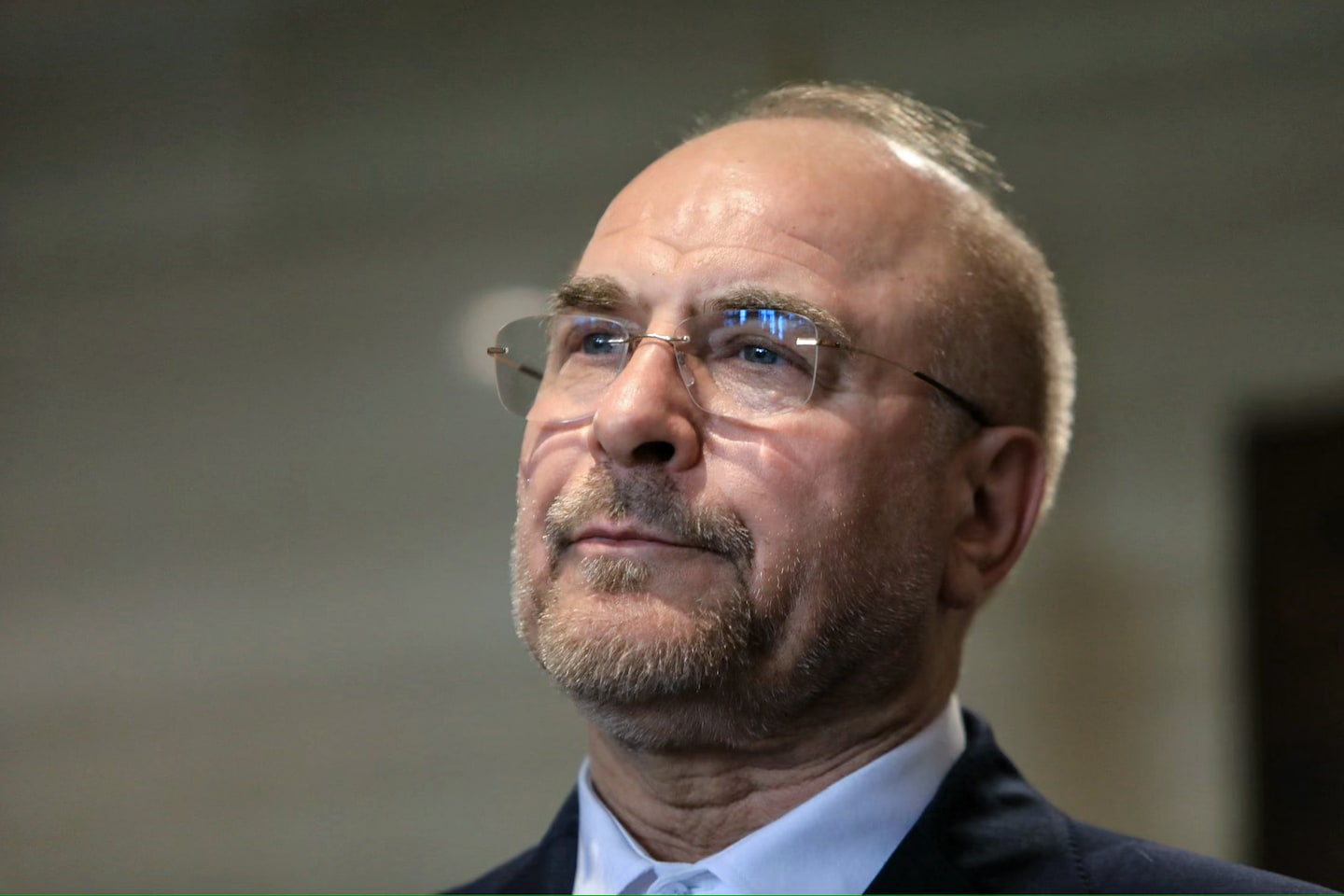
Hamid Biglari is an Iranian-American and a partner at RedBird Capital Partners. I left Iran in 1976. In the five decades since, I have watched American administrations cycle through every conceivable strategy toward the Islamic Republic — containment, engagement, sanctions, covert operations, open war — and arrive each time at the same destination: a regime more consolidated than before, and a population more abandoned than when the policy began. The Islamabad talks are not a new chapter. They are the latest performance of a play Washington keeps staging.Three errors define that script. All three are being repeated this week.The first is the United States’ addiction to the myth of the Iranian moderate. Leading Iran’s delegation in Islamabad is Mohammad Bagher Ghalibaf — speaker of the parliament, former commander of the Islamic Revolutionary Guard Corps Air Force, former chief of the Iran’s police — a man who has spent his entire career inside Iran’s security establishment. He is not a diplomat who became a general, he is a general playing a diplomat. Yet Washington has received him as a pragmatist and a workable interlocutor, seeing him as evidence that Iran is serious about negotiations.This is America’s first and oldest error on Iran. The system does not produce moderates. It produces two varieties of hard-liner: those who favor confrontation as the instrument of regime survival, and those who favor tactical flexibility. Every figure the West has labeled a moderate — from former presidents Ali Rafsanjani and Hassan Rouhani to former foreign minister Javad Zarif and former national security council head Ali Larijani, and now Ghalibaf — belongs to the second category. They negotiate, offer concessions and speak the language of international norms. Their objective is identical to that of the generals who wanted to keep fighting: the preservation of the Islamic Republic. They differ in method, not in goal.The person who matters in Islamabad is not Ghalibaf, but IRGC commander Ahmad Vahidi, who was not in the room. Ghalibaf cannot commit Iran to anything without Vahidi’s approval. America is negotiating with the mask. The face is in Tehran, watching to see what concessions the mask can extract.The second error is failing to recognize Iran’s master strategy, which I like to call “managed irresolution”: the deliberate maintenance of a conflict in permanent near-resolution, close enough to keep sanctions pressure manageable, far enough from conclusion to prevent binding constraints from taking effect. The enrichment restrictions of the Obama-era nuclear deal known as the Joint Comprehensive Plan of Action were deliberately structured to expire, the most significant constraints lifting within a decade, leaving Iran’s long-term nuclear capability intact while banking immediate sanctions relief. Today, Iran has already rejected a 45-day ceasefire in favor of “permanent negotiations,” not because it wants permanent peace, but because permanent negotiation
BROWSER2026年4月17日
撰文分析:德黑兰利用协议烟幕弹耗尽美方耐心
华盛顿邮报美国具有国际影响力的综合性媒体