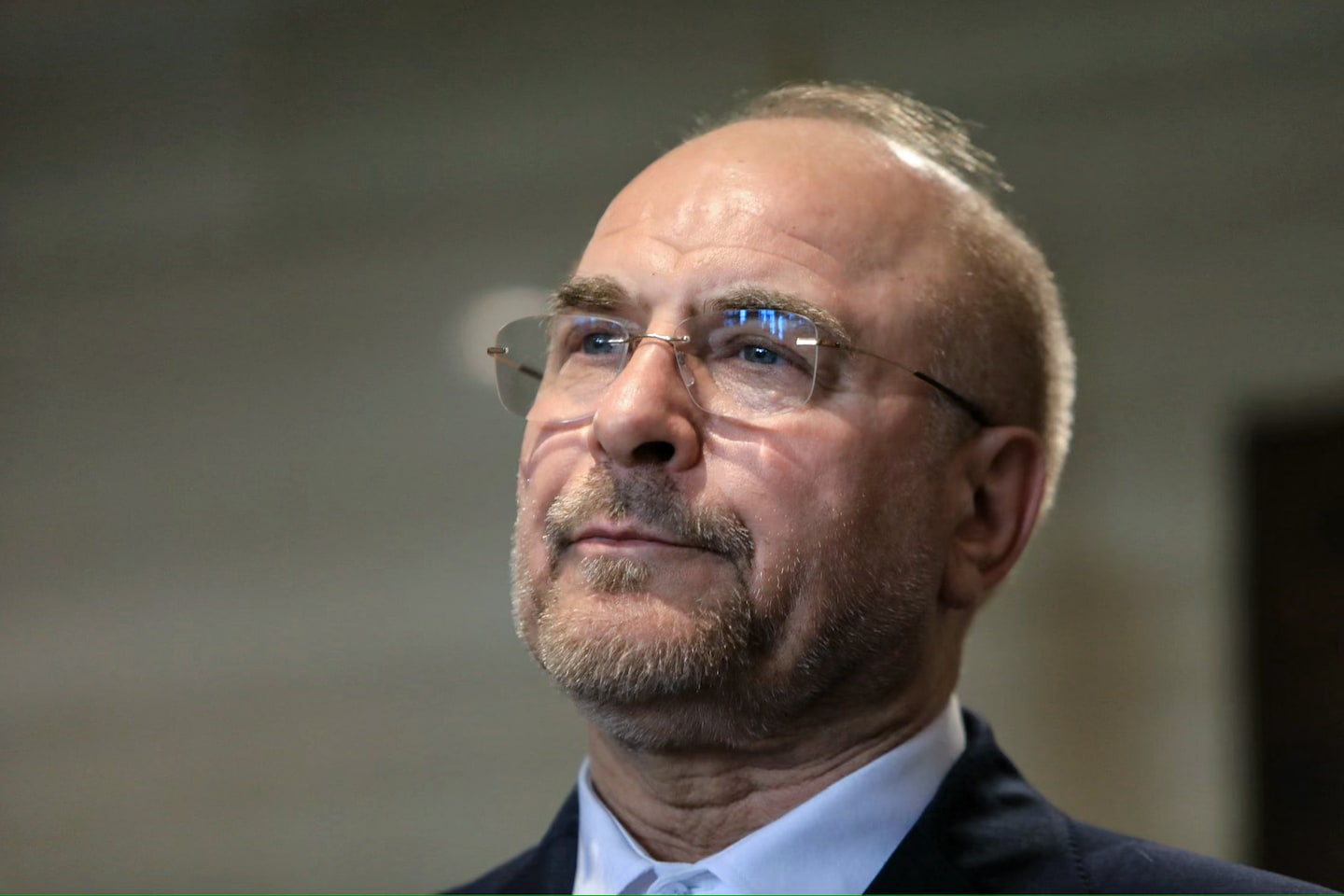
哈米德·比格拉里作为一名伊朗裔美国人,通过回顾过去五十年的美伊关系指出,历届美国政府对伊朗采取了遏制、接触、制裁、秘密行动甚至公开战争等所有可能的策略,但最终都回到了原点:一个比以前更巩固的政权,以及一个比政策开始时更被抛弃的民众。
文章指出华盛顿在对伊政策上反复犯下三个错误。首先是美国对“伊朗温和派”神话的沉溺。以本周在伊斯兰堡领导伊朗代表团的穆罕默德·巴盖尔·卡利巴夫为例,他曾任议会议长、革命卫队空军司令和警察总长,其职业生涯完全处于伊朗安全机构内部。他并非一名转行做外交官的将军,而是一名扮演外交官角色的将军。然而华盛顿却将其视为务实派和可合作的对话者,认为他是伊朗认真对待谈判的证据。
作者强调,伊朗体制并不会产生温和派,只产生两种强硬派:一种主张以对抗作为政权生存手段,另一种则倾向于采取战术灵活性。从拉夫桑贾尼、鲁哈尼到扎里夫,再到如今的卡利巴夫,无一例外都属于后者。他们的目的是利用国际准则的语言进行谈判并提供微小让步,其核心目标与那些主张战斗的将军们完全一致:保护伊朗现行体制。他们只是在方法上有所不同,而非目标。
Hamid Biglari is an Iranian-American and a partner at RedBird Capital Partners. I left Iran in 1976. In the five decades since, I have watched American administrations cycle through every conceivable strategy toward the Islamic Republic — containment, engagement, sanctions, covert operations, open war — and arrive each time at the same destination: a regime more consolidated than before, and a population more abandoned than when the policy began. The Islamabad talks are not a new chapter. They are the latest performance of a play Washington keeps staging.Three errors define that script. All three are being repeated this week.The first is the United States’ addiction to the myth of the Iranian moderate. Leading Iran’s delegation in Islamabad is Mohammad Bagher Ghalibaf — speaker of the parliament, former commander of the Islamic Revolutionary Guard Corps Air Force, former chief of the Iran’s police — a man who has spent his entire career inside Iran’s security establishment. He is not a diplomat who became a general, he is a general playing a diplomat. Yet Washington has received him as a pragmatist and a workable interlocutor, seeing him as evidence that Iran is serious about negotiations.This is America’s first and oldest error on Iran. The system does not produce moderates. It produces two varieties of hard-liner: those who favor confrontation as the instrument of regime survival, and those who favor tactical flexibility. Every figure the West has labeled a moderate — from former presidents Ali Rafsanjani and Hassan Rouhani to former foreign minister Javad Zarif and former national security council head Ali Larijani, and now Ghalibaf — belongs to the second category. They negotiate, offer concessions and speak the language of international norms. Their objective is identical to that of the generals who wanted to keep fighting: the preservation of the Islamic Republic. They differ in method, not in goal.The person who matters in Islamabad is not Ghalibaf, but IRGC commander Ahmad Vahidi, who was not in the room. Ghalibaf cannot commit Iran to anything without Vahidi’s approval. America is negotiating with the mask. The face is in Tehran, watching to see what concessions the mask can extract.The second error is failing to recognize Iran’s master strategy, which I like to call “managed irresolution”: the deliberate maintenance of a conflict in permanent near-resolution, close enough to keep sanctions pressure manageable, far enough from conclusion to prevent binding constraints from taking effect. The enrichment restrictions of the Obama-era nuclear deal known as the Joint Comprehensive Plan of Action were deliberately structured to expire, the most significant constraints lifting within a decade, leaving Iran’s long-term nuclear capability intact while banking immediate sanctions relief. Today, Iran has already rejected a 45-day ceasefire in favor of “permanent negotiations,” not because it wants permanent peace, but because permanent negotiation