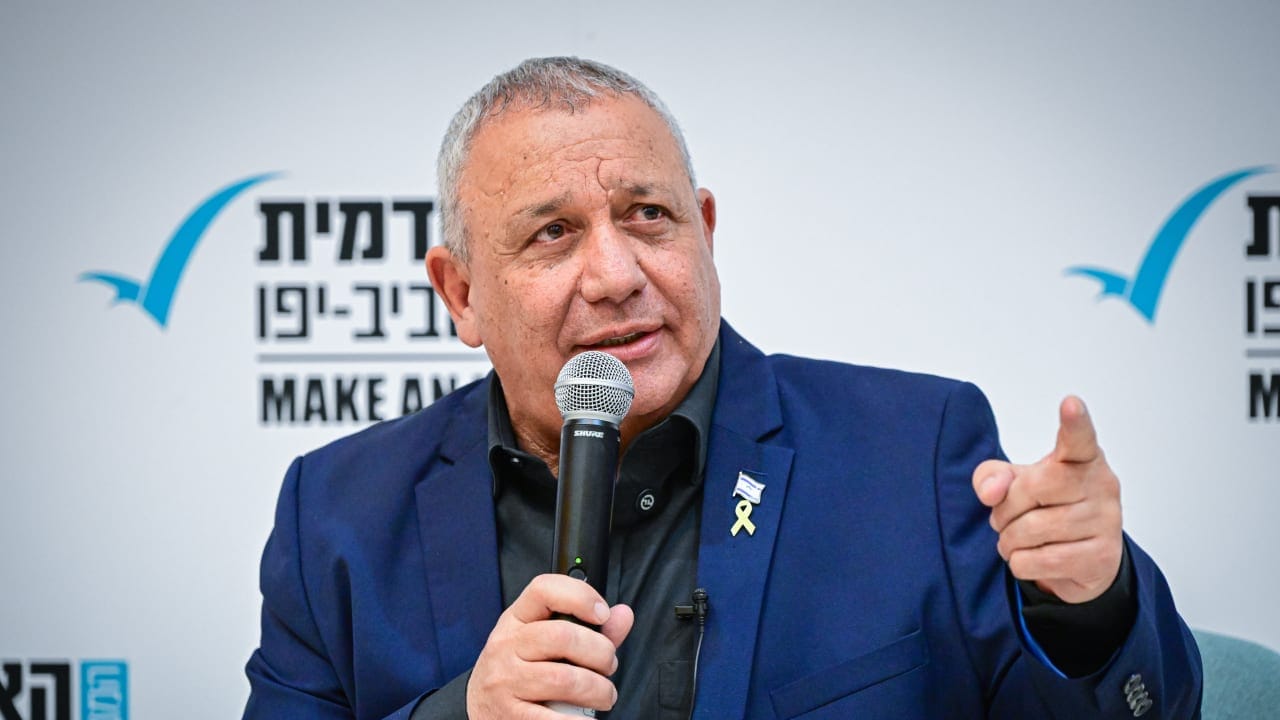
艾森科特公布“两百万移民”计划以加强国家韧性
2026年4月16日 —— 以色列前国防军总参谋长、Yashar!党领袖加迪·艾森科特公布了一项计划。他称该计划通过减少官僚主义和扩大对移民及回流居民的激励措施,将在2048年(以色列建国100周年)前吸引200万新移民。
该计划由高科技行业和学术专家团队开发,旨在解决移民在生活多个领域的需求。民调显示,艾森科特的政党支持率不断上升,成为在预计最迟于10月举行的选举前挑战内塔尼亚胡利库德集团的主要竞争者。
计划的核心重点包括:
- 终结官僚主义:创建一个“一站式”服务点,提供执照、就业援助和社区融合服务。
- 快速安置计划:重点关注就业、住房、教育和医疗。住房解决方案将集中在战略区域和指定社区。
- 教育与就业保障:通过提供语言支持,使移民子女立即融入学校系统,并建立“就业安全网”,在移民抵达后的最初几年提供经济援助和职位推荐。
该计划的第二部分名为“回家”,主要针对居住在国外的潜在移民提供吸引政策,以应对当前地缘政治背景下的国家人口战略需求。
ByKESHET NEEVAPRIL 16, 2026 18:33Updated: APRIL 16, 2026 19:23Former IDF chief of staff Gadi Eisenkot, leader of the Yashar! Party, unveiled a plan he says would bring two million olim (new immigrants) to Israel by 2048 – the country’s 100th anniversary – by cutting bureaucracy and expanding incentives for both olim and returning residents.The plan, said to be developed by a team of experts from both the hi-tech sector and academia, aims to address the needs of olim and returning residents in multiple areas of life.Eisenkot’s party has been gaining support in recent polls, rising as a top competitor within the opposition bloc challenging Prime Minister Benjamin Netanyahu’s ruling Likud Party ahead of elections expected no later than October.The Yashar! Party presented the plan to The Jerusalem Post on Thursday, which focuses on two main tracks: improving conditions for olim already in Israel and creating incentives for those abroad to encourage them to make aliyah.A central component of the proposal is said to “end the bureaucracy” faced by olim, through the creation of a family “one-stop shop” where services such as licensing, employment assistance, and community integration could all be provided in one location.New immigrants from France arrive to the Ben Gurion airport in central Israel on June 25, 2025. (credit: AVSHALOM SASSONI/FLASH90)The plan also calls for a fast-track absorption program for olim, with an emphasis on employment, housing, education, and healthcare. Housing solutions would focus on providing olim with strategic areas and designated communities.Additional measures include accelerated education tracks for the children of olim through enabling their immediate integration into the school system with language support, as well as the creation of an “employment safety net” to provide financial assistance and job placement during the first years after olim arrive in the country.Incentives for new olimThe second component of the plan, called “Coming Home,” focuses on incentives for those living abroad to make aliyah. It proposes tax adjustments and targeted long-term benefits to those who choose to move to Israel. It also calls for efforts to accelerate the recognition of academic degrees and professional licenses from abroad.The plan includes a program for returning academics, calling to expand opportunities for them in higher education and research through targeted incentives, research grants, and professional collaborations. Housing incentives for olim would be developed in cooperation with the state and local authorities.When speaking about the initiative, Eisenkot said he preferred to focus on optimism and efforts to increase aliyah, rather than on those who want to leave the country due to the current government.“A political campaigner might advise me to say that fear motivates people – that if this government is re-elected, hundreds of thousands of young people will leave, but I don’t want to say that,” he said.“I want to foc