堪培拉将在未来十年内投资3040亿美元用于国防,重点是海上拒止、空中机动和远程效应。澳大利亚今天(4月16日)发布了《2026年国家国防战略》(NDS)和《综合投资计划》(IIP)。在后者中,政府承诺在未来十年内投入4250亿澳元(约3040亿美元)用于国防。堪培拉由此揭示了其最高支出优先级:海上拒止、空中机动和远程效应。
这三大支出优先级占预算的60%以上。虽然这反映了在印太战区由于地理因素所需的重型海军聚焦、战斗航空/机动和远程打击效果,但也引发了批评。一些批评者指出,针对反无人机系统(C-UAS),IIP并未承诺任何额外资金,这可能表明澳方在应对这种全球性威胁方面的紧迫感不足。堪培拉方面则表示,将通过此次大规模投资加速军队现代化进程。
Canberra to invest $304bn in defence over the next ten years with a focus on sea denial, air mobility and long-range effects.
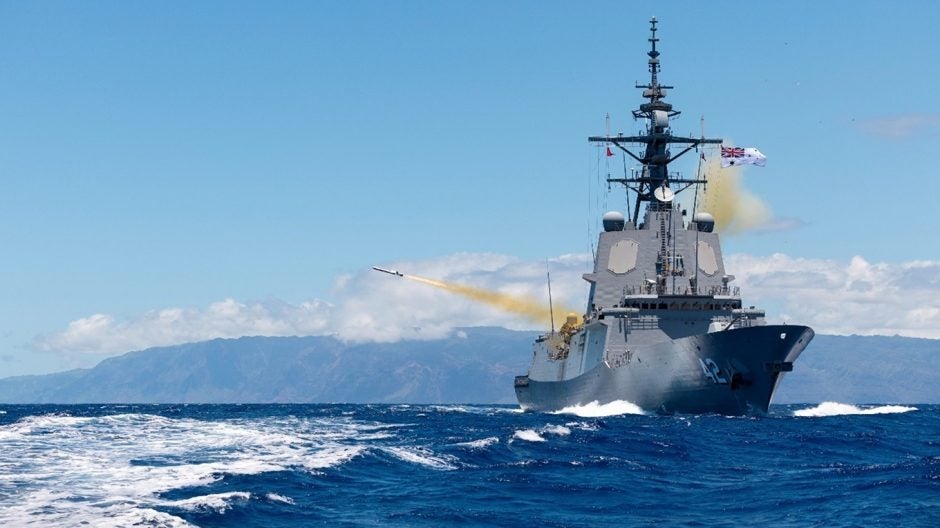
Pictured is HMAS Sydney firing Naval Strike Missile for the first time during RIMPAC 2024. The 2026 Integrated Investment Programme considers undersea capabilities, sea denial and long-range effects top investment priorities. Credit: Australia Defence Forces.
Australia has released its 2026 National Defence Strategy (NDS) and Integrated Investment Programme (IIP) today, 16 April
In the latter, the Government has pledged to spend A$425bn ($304bn) in defence over the next ten years
In doing so, Canberra revealed its top spending priorities: sea denial, air mobility and long-range effects.
It has been two years since Australia published its last defence strategy, and following a string of deliveries and weapon trials, Canberra will now accelerate its progress with $304bn over the next ten years.
Remarkably, the two documents simply extend the same tenets of the military strategy put forward in 2024. This is valid in the Indo-Pacific theatre, where geography demands a heavy naval focus, combat air/mobility and long-range strike effects. Discover B2B Marketing That Performs
Combine business intelligence and editorial excellence to reach engaged professionals across 36 leading media platforms.
Find out more
Notably, these top three spending priorities make up more than 60% of the budget.
Graph indicating focus on navy, air and long range strike. Credit: IIP.
But this may upset critics who prioritise recent conflict trends in the Near and Middle East recently, and across Europe through last year.
It could be argued that Australia’s commitment to counter uncrewed aerial systems (C-UAS), for which the IIP does not commit any additional funds, does not indicate a meaningful sense of the global problem. Some critics may consider this evidence that C-UAS does not impact Australia’s fixed and unwavering strategy.
Naval focus
Naturally, undersea warfare is the largest segment as it comprises the country’s AUKUS commitments.
However, this should not overshadow the requirement for uncrewed maritime vehicles (UMV), which GlobalData market intelligence projects will grow at a compound annual growth rate of nearly 9% in the next ten years.
One notable Australian platform is the Ghost Shark XLAUV, for which Canberra signed a contract with Anduril Australia for the delivery, maintenance and continued development over the next five years.
Impression of Ghost Shark. Credit: ADF.
During the Undersea Defence Technology exhibition in London recently, Raytheon Australia’s Tim Midgell, a submarine combat system architect, said UMVs will help to reverse the Royal Australian Navy’s (RAN) “disproportionate” fleet size relative to the size of its EEZ.
Midgell’s assertion is informed by a unique modelling framework he presented to international collegaues duing the exhibition. He claimed UMVs are a “silver