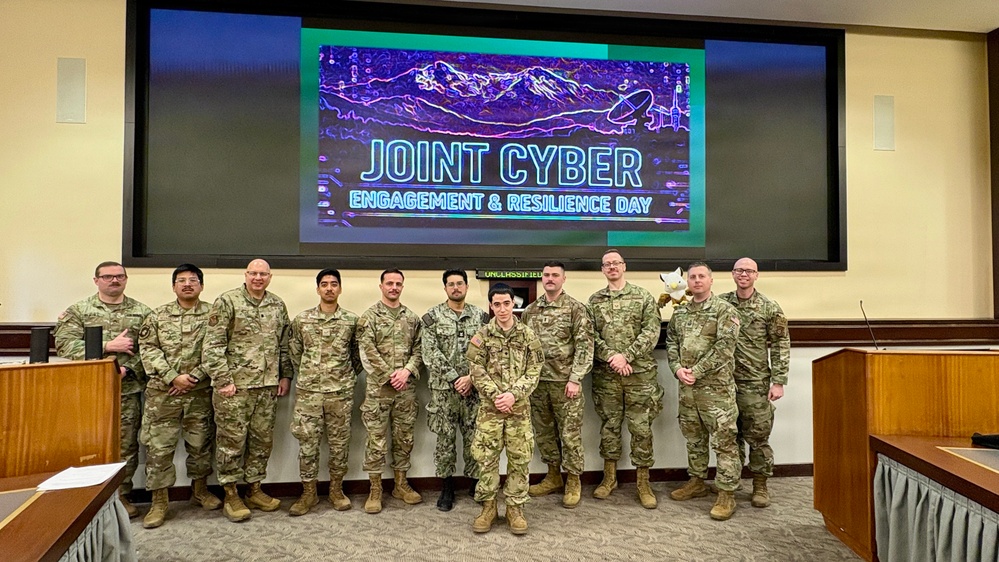
阿拉斯加埃尔门多夫-理查德森联合基地 —— 3月19日,埃尔门多夫-理查德森联合基地(JBER)的随军牧师主持了该基地首个此类“联合网络/通信参与及韧性日”。
此次活动汇集了来自网络和通信职业领域的各军种空军、陆军、海军和空间军成员,共同讨论并加强美国网络任务背后的技术实力。
活动由第673任务支持大队随军牧师拉塞尔·沃德空军上尉组织,其目标不仅是交流简报,还旨在消除工作场所的孤岛效应,建立联系并精炼网络和通信行动中服役人员的技术技能。
沃德表示:“网络和通信团队面临许多相同的挑战。当我们身处同一房间,分享行之有效的方法并互相关心福祉时,我们就能减少摩擦并提高备战水平。”
服役人员的讨论不局限于特定职务。他们还探讨了情商的六项核心技能:自我意识、自我调节、共情、社交技能、动力和情境适应性。参与者将这六项核心技能与日常任务集联系起来,例如事件响应和联合协调。
第59信号营随军牧师杰里米·斯佩恩陆军上尉表示:“没有情商,我们会变得非常被动。但如果我们了解情绪的影响,这种自我意识能帮助我们更好地领导和沟通。”
一项名为“观察环境”的实践活动邀请各军种混合小组对虚拟角色在六项情商技能上的表现进行评估,引发了关于文化、团队协作以及如何将软技能转化为任务成果的讨论。
活动期间,斯佩恩强调了庆祝好消息的重要性。他谈到了如何避免“气馁因素”,并识别和放大积极事件及微小的胜利。斯佩恩表示:“如果我们只关注负面因素,它会耗尽我们的生命力。”
JOINT BASE ELMENDORF-RICHARDSON, Alaska – On March 19, chaplains of Joint Base Elmendorf-Richardson hosted a first-of-its-kind Joint Cyber/Communications Engagement and Resiliency Day at JBER.
The event brought together Airmen, Soldiers, Sailors and Guardians across the total force in cyber and communication career fields to discuss and strengthen the technical muscle behind America’s cyber mission.
Organized by U.S. Air Force Chaplain (Capt.) Russell Ward, a 673d Mission Support Group chaplain, the event set out to do more than exchange slides; it aimed to dismantle silos in the workplace, build relationships and refine technical skills for service members in the cyber and communication operations.
“Cyber and communication teams tackle many of the same challenges,” said Ward. “When we are in the same room, share what works and look out for each other’s well-being, we reduce friction and increase readiness.”
Service members were not restricted to job-specific discussions. They also explored six core skills of emotional intelligence: self-awareness, self-regulation, empathy, social skills, motivation and situational appropriateness. Participants connected these six core skills to daily mission sets, such as incident response and joint coordination.
“Without emotional intelligence, we’re very reactive,” said U.S. Army Chaplain (Capt.) Jeremy Spain, a 59th Signal Battalion chaplain. “But if we understand the impact of emotions, that self-awareness helps us lead and relate better.”
A hands-on activity called “Read the Room” invited mixed-branch groups to rate fictional characters across six emotional intelligence skills, sparking discussion about culture, teamwork and how to translate soft skills into mission outcomes.
During the event, Spain emphasized the importance of celebrating good news. He spoke about avoiding “deflators” and recognizing and amplifying positive events and small wins.
“If we focus on the negatives, it saps the life out of us,” said Spain. “When we step back and celebrate the small things, it pours life back into us and allows a healthy perspective.”
The event made one point clear: technical excellence is only half the mission. The other half involves building relationships, resilience and emotional intelligence. By pairing emerging cyber trends with deliberate practices that celebrate wins and build connections, the military will continue to maintain and strengthen readiness.