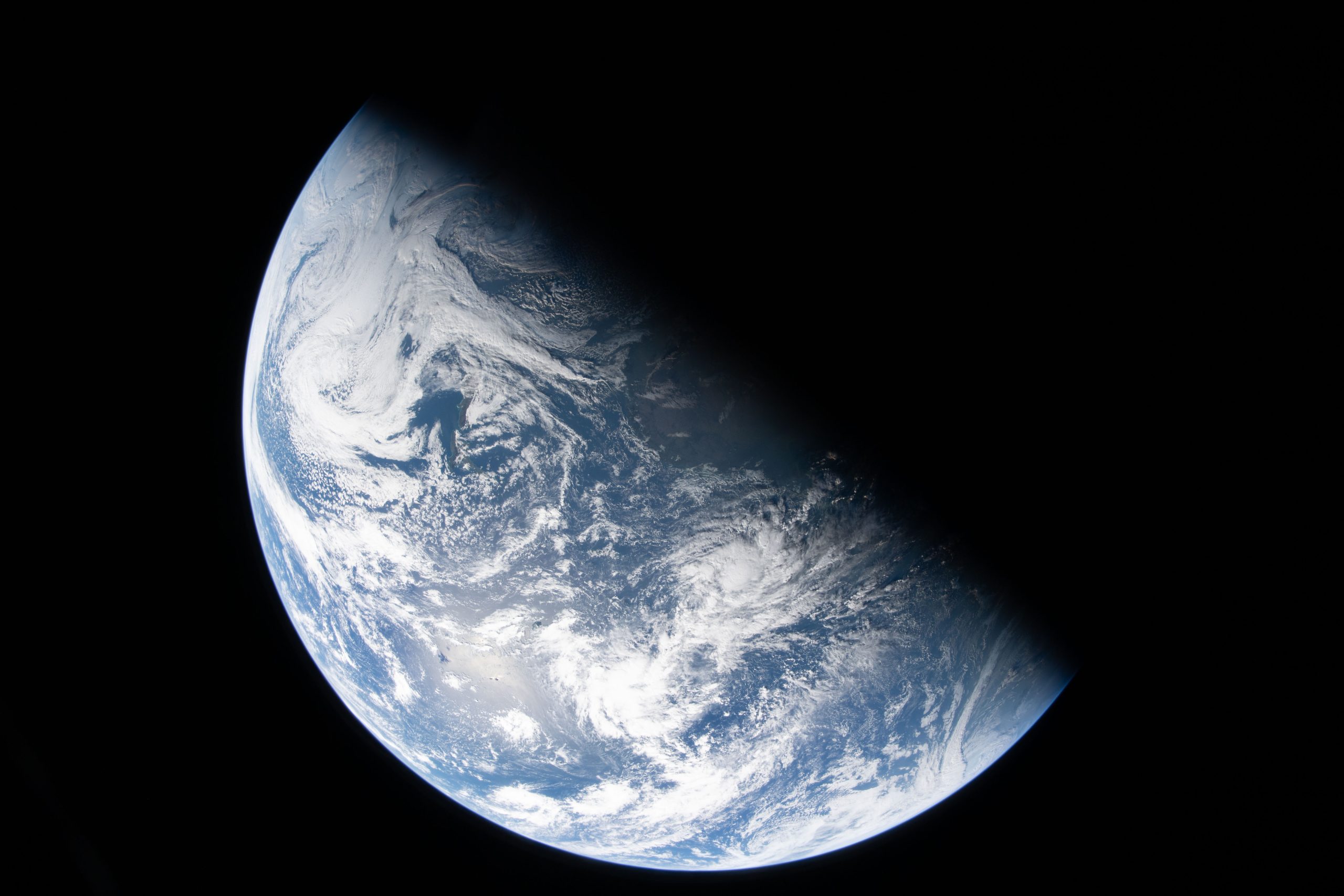
用于将商业观测与NASA联系起来的大气舰队(FALCON)航天器将研究云、对流和大气。图片来源:NASA。
两项新提议的NASA地球科学任务将尝试利用商业和探索能力来应对关键研究课题。
在3月24日NASA举行的“点火”(Ignition)活动期间,该机构宣布了两个名为EAGLE和FALCON的新地球科学任务概念。在这次聚焦于月球基地开发、核推进系统以及NASA对商业空间站支持变化的活动中,这两项公告很大程度上被忽视了。
这两项任务旨在落实最新地球科学十年调查所建议的观测项目,但其执行速度更快,且比早期传统的任务概念成本更低。
“我们正试图增加‘射门’次数,”NASA地球科学部主任卡伦·圣日耳曼(Karen St. Germain)在点火活动次日告诉美国国家科学院的一个委员会。
她说,目标是在两到三年内开发出新任务。“我们希望在2030年代末左右为下一次十年调查‘清理好场地’。”
其中一个新任务是EAGLE,即“阿尔忒弥斯地质月球与地球探索者”(Explorer for Artemis Geology Lunar and Earth)。它将携带一台高光谱仪器,执行十年调查建议的地表生物学和地质学观测。
按照提议,EAGLE的应用范围将超出地球科学。圣日耳曼说:“能对地球进行十年科学观测的同类仪器,也可以帮助识别月球和火星上的关键资源,并能帮助选择着陆点。”
EAGLE将首先在地球轨道上演示该仪器。随后,该机构可以改装这些仪器,用于未来绕月或绕火星飞行的任务。“这与局长谈到的事情之一相契合,”她说,“那就是将机构任务视为一个整体集成任务,并寻找任何可能的联系……”(注:原文此处中断)
The Fleet for the Atmosphere Linking Commercial Observations with NASA (FALCON) spacecraft will study clouds, convection and the atmosphere. Credit: NASA
Two new proposed NASA Earth science missions will attempt to address key research topics while leveraging both commercial and exploration capabilities.
During NASA’s “Ignition” event March 24, the agency announced two new Earth science mission concepts, called EAGLE and FALCON. The announcements were largely overlooked at an event that focused on development of a lunar base and nuclear propulsion systems as well as changes to NASA’s support for commercial space stations.
The two missions are intended to implement observations recommended by the most recent Earth science decadal survey, but do so more quickly and less expensively than earlier, more traditional mission concepts.
“We’re trying to get more shots on goal,” Karen St. Germain, director of NASA’s Earth science division, told a National Academies committee the day after the Ignition event.
She said the goal was to develop new missions within two to three years. “We would like to clear the decks, more or less, for the next decadal,” around the end of this decade.
One of the new missions is EAGLE, or Explorer for Artemis Geology Lunar and Earth. It would fly a hyperspectral instrument that would perform the surface biology and geology observations recommended by the decadal survey.
EAGLE, as proposed, would have applications beyond Earth science. “The same kind of instrument that can do decadal science on Earth can also help you identify critical resources on the moon and Mars, and can help you select landing sites,” said St. Germain.
Eagle would first demonstrate the instrument in Earth orbit. The agency could then adapt the instruments for future missions orbiting the moon or Mars. “This ties to one of the things the administrator talks about,” she said, “which is treating the agency mission as an integrated mission and looking for connections wherever they make sense.”
The other proposed mission is FALCON, or Fleet for the Atmosphere Linking Commercial Observations with NASA. It will fly NASA-developed lidar and radar instruments to study clouds, convection and the atmosphere, St. Germain said.
However, there will be an opportunity for companies to develop their own spacecraft with radiometers to augment the observations from NASA spacecraft. NASA released a request for information March 24 seeking industry input on how they would like to participate on FALCON.
EAGLE has a three-year development schedule and cost of $310 million. St. Germain said NASA is still developing cost and schedule targets for FALCON. NASA’s fiscal year 2027 budget proposal, released April 3, did not include details about either mission.
EAGLE and FALCON are part of a broader initiative for “science as a service” with NASA. The agency released an RFI March 24 looking at how it can leverage commercial capabilities in heliophysics and astrophysics as well as in Ear