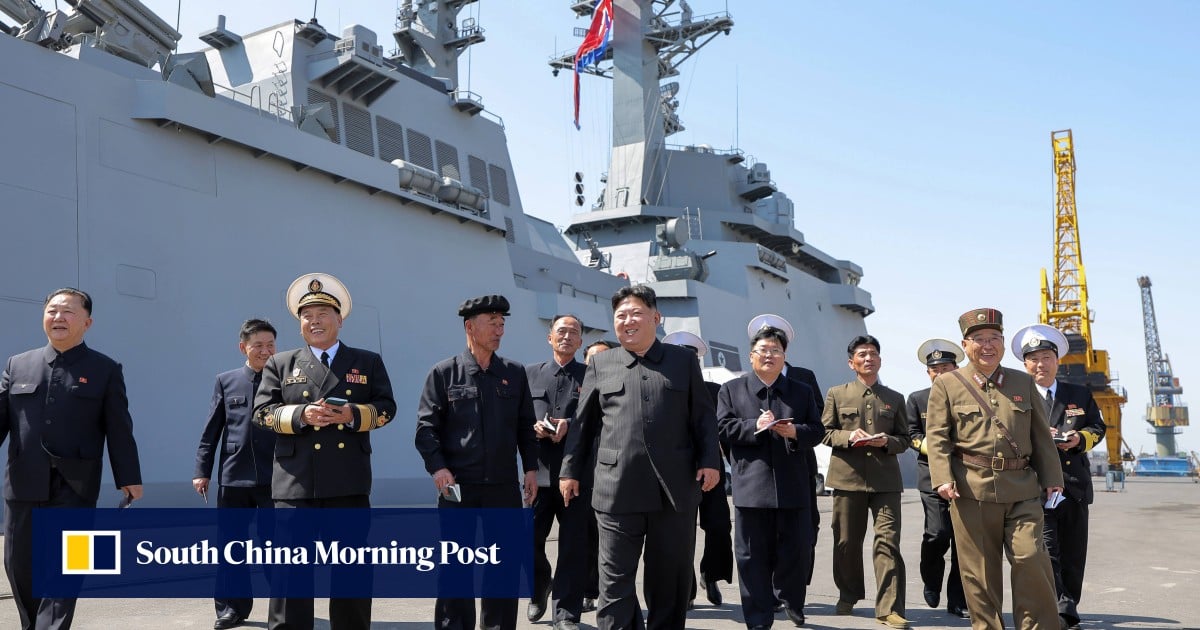
随着对伊战争持续吸引全球关注,朝鲜领导人金正恩加强了在军事活动中的露面,利用演习和导弹测试在国内展示信心,在国外展示蔑视。
分析人士表示,金正恩曝光度的提高表明,在华盛顿的注意力被多个方向分散之际,他对自己国家的核威慑力感到更有安全感。
金正恩把自己塑造成越来越强势的形象,并正在疏远其父亲和祖父此前遵守的象征性仪式。
东国大学名誉教授高有焕(Koh Yu-hwan)表示,在委内瑞拉领导人尼古拉斯·马杜罗被绑架,以及美国和以色列为了遏制德黑兰的浓缩核计划而对伊朗发动袭击后,金正恩决心保持强硬的公众形象。
高有焕说,相比之下,他的父亲金正日(Kim Jong-il)在感到威胁的时期经常退缩到地下掩体中——最著名的是在2002年核危机期间与美国紧张局势达到顶峰时。
“金正恩正大胆地站出来对抗美国的威胁,展示出由其核武库支撑的国家战略地位信心,”高有焕说,并补充道安全危机可以帮助平壤加强内部控制。
As the war on Iran continues to command global attention, North Korean leader Kim Jong-un has stepped up his appearances at military events, using drills and missile tests to project confidence at home and defiance abroad.His heightened visibility suggests that Kim feels more secure in his country’s nuclear deterrence as Washington’s focus is pulled in several directions, analysts say.Kim has cast himself as increasingly assertive and is distancing himself from the symbolic rituals observed by his father and grandfather before him.Koh Yu-hwan, professor emeritus at Dongguk University, said Kim was determined to maintain a strong public profile after the kidnapping of Venezuelan leader Nicolas Maduro and the US and Israeli strikes on Iran aimed at curbing Tehran’s nuclear enrichment programme.His father Kim Jong-il, by contrast, often retreated to underground bunkers during periods of perceived threat – most notably at the height of tensions with the US during the 2002 nuclear crisis, Koh said.“Kim Jong-un is boldly standing up to US threats, displaying confidence in the country’s strategic status backed by its nuclear arsenal,” Koh said, adding that security crises could help Pyongyang tighten internal control.