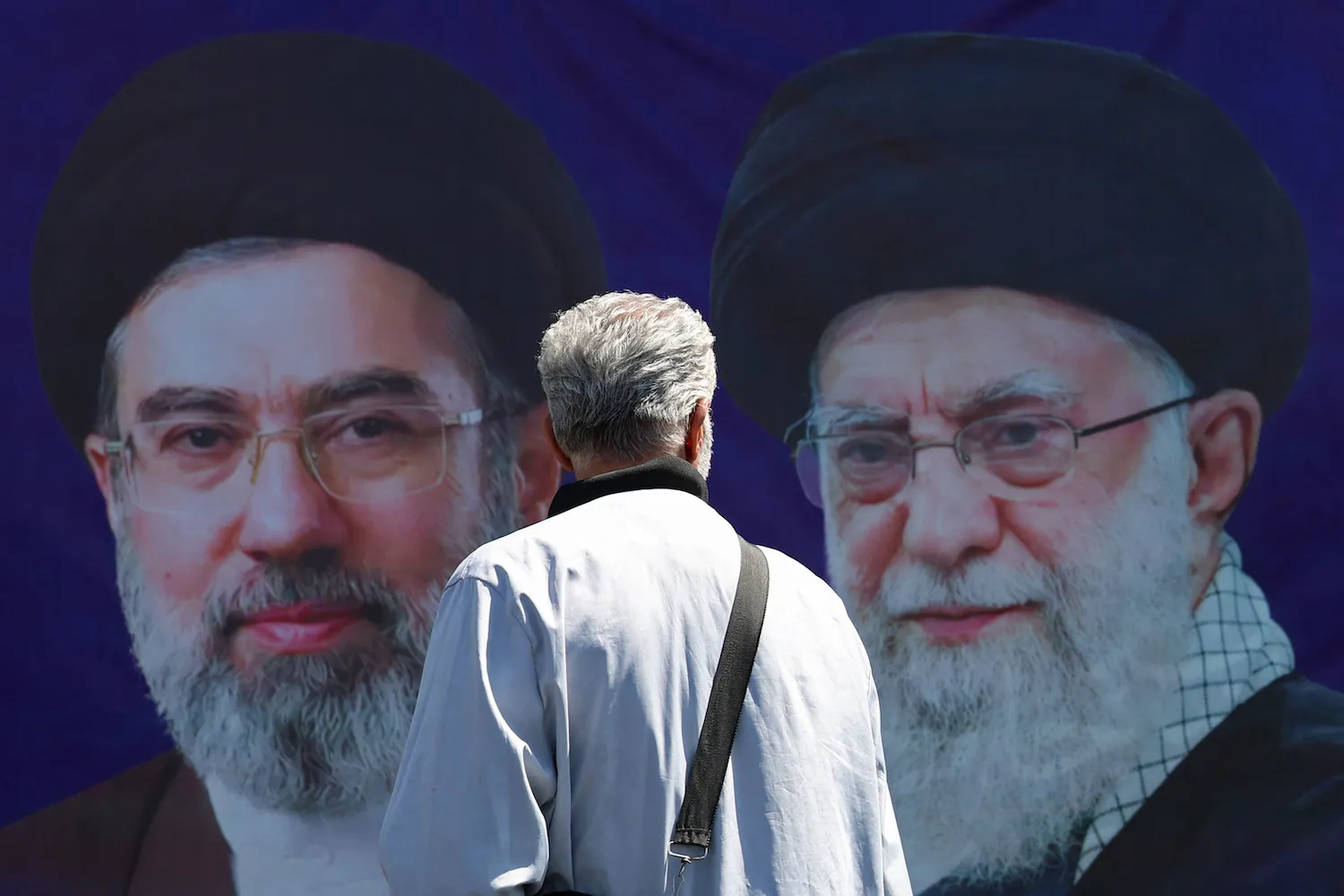
The ongoing U.S.-Israeli conflict with Iran is as much about perceptions and internal politics as it is about battlefield success, yet much of the public discourse and even expert debate rests on observable military actions rather than the opaque decision-making processes that shape them. Tehran’s strikes, Washington’s signaling, and Israel’s operational tempo offer clues—but only partial ones—about how each side understands the conflict and its trajectory. The most consequential drivers of escalation, restraint, and negotiations remain hidden inside leadership circles, intelligence channels, and regime calculations that outsiders can only infer imperfectly.
Here are five critical unknowns about Iran (though one could easily write another dozen on the United States and Israel) that highlight the limits of current analysis and underscore the risks of miscalculation in a crisis where the most important variables are largely invisible.
The ongoing U.S.-Israeli conflict with Iran is as much about perceptions and internal politics as it is about battlefield success, yet much of the public discourse and even expert debate rests on observable military actions rather than the opaque decision-making processes that shape them. Tehran’s strikes, Washington’s signaling, and Israel’s operational tempo offer clues—but only partial ones—about how each side understands the conflict and its trajectory. The most consequential drivers of escalation, restraint, and negotiations remain hidden inside leadership circles, intelligence channels, and regime calculations that outsiders can only infer imperfectly.
Here are five critical unknowns about Iran (though one could easily write another dozen on the United States and Israel) that highlight the limits of current analysis and underscore the risks of miscalculation in a crisis where the most important variables are largely invisible.
Who is really in charge of Iran?
Iran’s political system has long been a complex mix of formal and informal power, with elected officials, the Islamic Revolutionary Guard Corps (IRGC), leading clerics, and Iran’s supreme leader all shaping national security decisions. Supreme Leader Ali Khamenei led Iran, but he did so in part by balancing different factions and power centers.
The war, however, has decimated much of this leadership. By its own count, Israel has killed more than 250 senior Iranian leaders, including Khamenei, the commander of the IRGC and numerous senior IRGC figures, the defense minister, and many others. Khamenei’s son Mojtaba was chosen as the new supreme leader, but his control is uncertain. It has been reported that the airstrike that killed his father injured him, perhaps severely, and he has not been seen in public. Even without these injuries, he would need time to consolidate power; his father took years to do so.
Today, it is not clear if Mojtaba Khamenei is a leader or a figurehead. Either way, the relative strength—and viewpoints—of the different factions
DIRECT2026年4月17日
隐蔽的政权细节:关于伊朗革命卫队与霍尔木兹海峡局势的解析
外交政策国际政策杂志,涉华安全与战略评论频繁