正在进行的美国、以色列与伊朗的冲突,其关乎感知和国内政治的程度,不亚于其对战场胜利的关注,然而大部分公共舆论甚至专家辩论都建立在可观察到的军事行动之上,而非塑造这些行动的不透明决策过程。德黑兰的打击、华盛顿的信号以及以色列的作战节奏,提供了关于各方如何理解冲突及其走向的线索,但也仅仅是部分线索。局势升级、克制和谈判的最重要驱动因素仍然隐藏在领导层核心圈、情报渠道和政权考量之中,局外人只能进行不完美的推测。
以下是关于伊朗的五个关键未知因素(尽管人们可以轻易地为美国和以色列写出另外一打),这些因素突显了当前分析的局限性,并强调了在最重要的变量大多不可见的危机中发生误判的风险。
正在进行的美国、以色列与伊朗的冲突,其关乎感知和国内政治的程度,不亚于其对战场胜利的关注,然而大部分公共舆论甚至专家辩论都建立在可观察到的军事行动之上,而非塑造这些行动的不透明决策过程。德黑兰的打击、华盛顿的信号以及以色列的作战节奏,提供了关于各方如何理解冲突及其走向的线索,但也仅仅是部分线索。局势升级、克制和谈判的最重要驱动因素仍然隐藏在领导层核心圈、情报渠道和政权考量之中,局外人只能进行不完美的推测。
以下是关于伊朗的五个关键未知因素(尽管人们可以轻易地为美国和以色列写出另外一打),这些因素突显了当前分析的局限性,并强调了在最重要的变量大多不可见的危机中发生误判的风险。
谁才是伊朗真正的掌权者?
伊朗的政治制度长期以来一直是正式与非正式……
The ongoing U.S.-Israeli conflict with Iran is as much about perceptions and internal politics as it is about battlefield success, yet much of the public discourse and even expert debate rests on observable military actions rather than the opaque decision-making processes that shape them. Tehran’s strikes, Washington’s signaling, and Israel’s operational tempo offer clues—but only partial ones—about how each side understands the conflict and its trajectory. The most consequential drivers of escalation, restraint, and negotiations remain hidden inside leadership circles, intelligence channels, and regime calculations that outsiders can only infer imperfectly.
Here are five critical unknowns about Iran (though one could easily write another dozen on the United States and Israel) that highlight the limits of current analysis and underscore the risks of miscalculation in a crisis where the most important variables are largely invisible.
The ongoing U.S.-Israeli conflict with Iran is as much about perceptions and internal politics as it is about battlefield success, yet much of the public discourse and even expert debate rests on observable military actions rather than the opaque decision-making processes that shape them. Tehran’s strikes, Washington’s signaling, and Israel’s operational tempo offer clues—but only partial ones—about how each side understands the conflict and its trajectory. The most consequential drivers of escalation, restraint, and negotiations remain hidden inside leadership circles, intelligence channels, and regime calculations that outsiders can only infer imperfectly.
Here are five critical unknowns about Iran (though one could easily write another dozen on the United States and Israel) that highlight the limits of current analysis and underscore the risks of miscalculation in a crisis where the most important variables are largely invisible.
Who is really in charge of Iran?
Iran’s political system has long been a complex mix of formal and informal power, with elected officials, the Islamic Revolutionary Guard Corps (IRGC), leading clerics, and Iran’s supreme leader all shaping national security decisions. Supreme Leader Ali Khamenei led Iran, but he did so in part by balancing different factions and power centers.
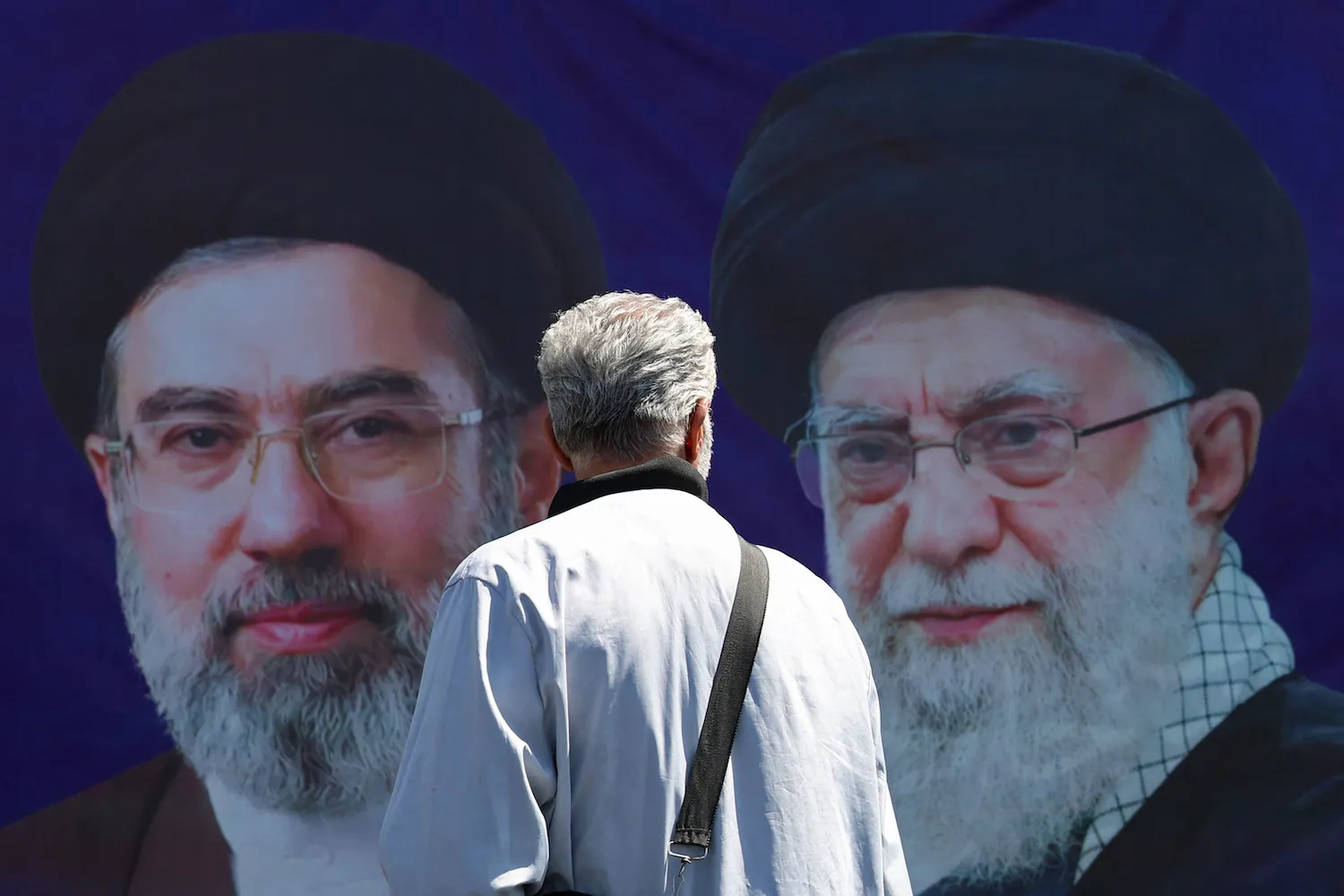
The war, however, has decimated much of this leadership. By its own count, Israel has killed more than 250 senior Iranian leaders, including Khamenei, the commander of the IRGC and numerous senior IRGC figures, the defense minister, and many others. Khamenei’s son Mojtaba was chosen as the new supreme leader, but his control is uncertain. It has been reported that the airstrike that killed his father injured him, perhaps severely, and he has not been seen in public. Even without these injuries, he would need time to consolidate power; his father took years to do so.
Today, it is not clear if Mojtaba Khamenei is a leader or a figurehead. Either way, the relative strength—and viewpoints—of the different factions