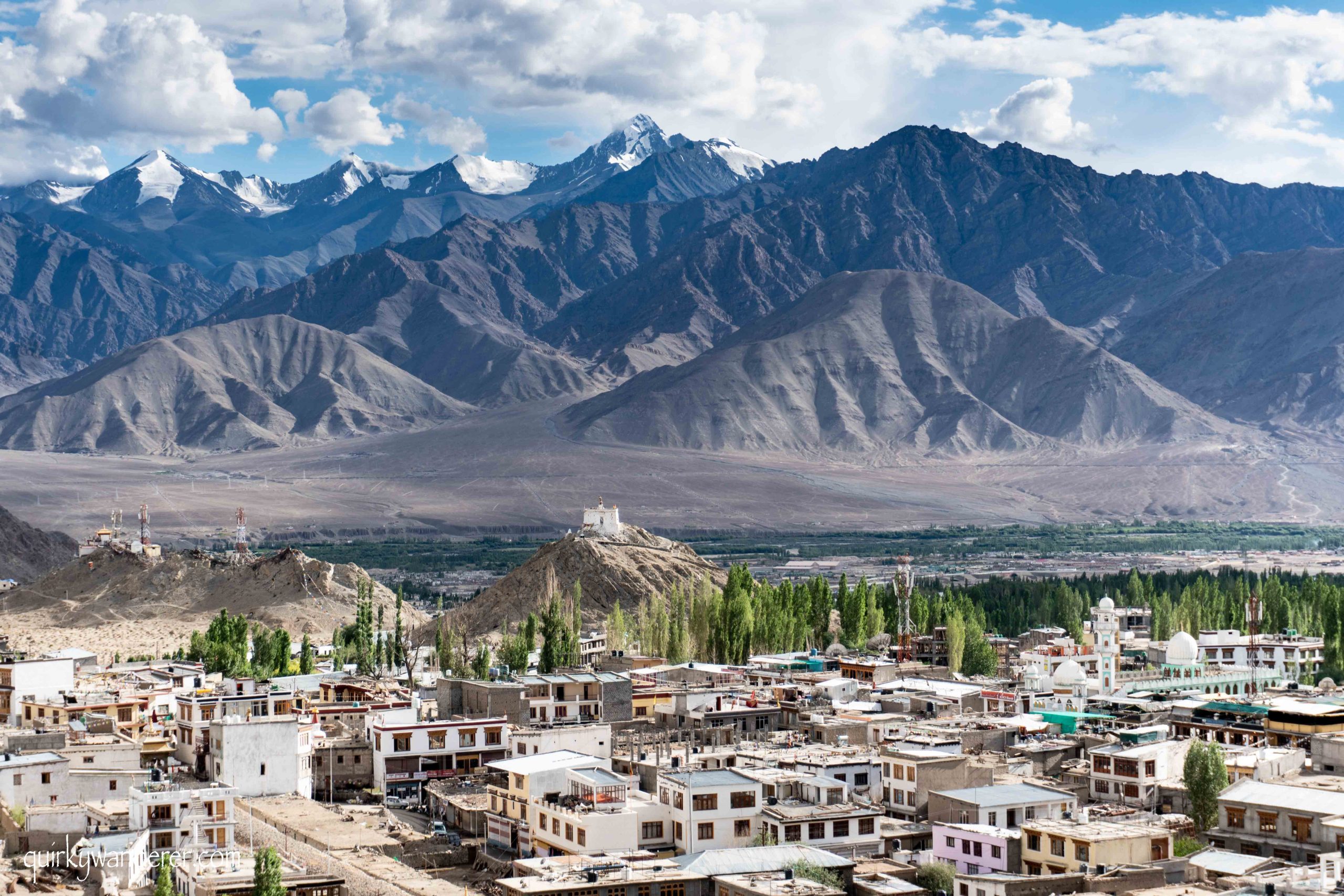
喜马拉雅跨界弧——从列城和拉萨延伸至吉尔吉特和廷布的高海拔沙漠景观,长期以来被浪漫化为冰雪与沉寂构成的原始、坚忍的荒野。然而,如今在其城市中心,一个更加残酷和紧迫的现实正在上演。随着杏花盛开,这些城市正准备迎接作为当地经济基石的旅游季节。虽然这种涌入提供了基本的生计,但它同时也是环境压力的倍增器,将这些脆弱的“第三极”城市的碳足迹推向了临界点。
这些曾经宁静的贸易驿站城市,如今已成为全球气候危机的最前沿,而这场危机并非由它们造成。随着国际社会汇聚于雄心勃勃的净零目标,跨喜马拉雅地区面临着独特而生死攸关的紧迫任务。对于这些高海拔城市来说,实现碳中和不仅仅是为了满足国际条约而制定的遥远政策目标;它是人类在这一正从字面意义上消失的景观中继续生存的前提条件。
关于这种脆弱性的科学共识从未如此清晰。根据政府间气候变化专门委员会(IPCC)第六次评估报告(AR6),山地生态系统正面临“极其高度的脆弱性”,喜马拉雅地区的变暖速度明显超过全球平均水平。我们正在目睹“随海拔升高而加剧的变暖”现象,即全球气温每上升 1°C,这些高地可能会经历 1.5°C 至 2°C 的升温。
IPCC 关于海洋和冰冻圈的特别报告进一步警告说,即使在低排放情景下,预计到本世纪末,该地区也将失去大部分冰川体积。对于喜马拉雅跨界城市的居民来说,这意味着三重威胁:夏季毁灭性的山洪爆发、冬季传统泉水枯竭导致的严重缺水,以及日益崩溃的……
The trans-Himalayan arc, a high-altitude desert landscape spanning from Leh and Lhasa to Gilgit and Thimphu, has long been romanticized as a pristine, stoic wilderness of ice and silence. Yet, today, a grittier and more urgent reality is unfolding within its urban centers. With apricot blossom time, these cities are gearing up for a tourism season that is the bedrock of the local economy. While this influx provides essential livelihoods, it simultaneously acts as a force multiplier for environmental stress, pushing the carbon footprint of these fragile “Third Pole” cities to a breaking point.
These cities, once quiet trading outposts, are now the front lines of a global climate crisis they did not create. As the international community converges on the ambitious goal of net zero, the Trans-Himalaya faces a unique and existential imperative. For these high-altitude cities, reaching carbon neutrality is not merely a distant policy target to satisfy international treaties; it is a prerequisite for continued human habitation in a landscape that is quite literally melting away.
The scientific consensus regarding this vulnerability has never been sharper. According to the Intergovernmental Panel on Climate Change (IPCC) Sixth Assessment Report (AR6), mountain ecosystems are facing ‘uniquely high vulnerability,’ with warming rates in the Himalayas significantly outstripping the global average. We are witnessing the phenomenon of elevation-dependent warming, where for every 1°C of global temperature rise, these heights may experience an increase of 1.5°C to 2°C.
The IPCC Special Report on the Ocean and Cryosphere further cautions that even under low-emissions scenarios, the region is projected to lose a substantial portion of its glacial volume by the turn of the century. For the residents of trans-Himalayan cities, this translates into a triple threat: devastating flash floods in the summer, acute water scarcity as traditional springs dry up in the winter, and a crumbling infrastructure foundation as permafrost thaws.
The failure of plains-centric urbanism
To date, our climate strategies have been low-altitude in design. We have consistently attempted to graft the urban development models of the plains onto the fragile, high-gradient slopes of the mountains. This approach has failed.
A net zero pathway for the trans-Himalaya region must be radically different because the carbon profile of a mountain city is fundamentally distinct. In those heights, the cold wave is the primary driver of emissions. While the world focuses on cooling, cities like Leh or Lhasa see heating account for nearly 70% of municipal energy consumption during the long winter months.
Decarbonizing this heat is the first pillar of survival. The current reliance on polluting biomass, coal and kerosene creates a double burden of high carbon footprints and dangerous indoor air pollution. The transition must move toward passive solar architecture, leveraging the region’s 300+ days of high