美国已威胁,如果发现中国银行参与处理来自伊朗石油贸易的款项,将对其施加制裁,这标志着加强对德黑兰财政压力的努力急剧升级。
这一警告发出之前,美国军方周一开始阻止与伊朗贸易有关的船只停靠该国港口,此举最初被视为对霍尔木兹海峡更广泛封锁的一部分。
此外,美国总统唐纳德·特朗普还加大了对北京的外交压力,以确保中国不向伊朗供应武器。他在社交媒体上表示,中国国家主席习近平已同意不向伊朗运送武器。
华盛顿的财政制裁威胁、海上限制和政治压力综合在一起,预计将显著抑制伊朗获取中国资金和供应的能力。特朗普表示,美国和伊朗很可能在下周达成一项长期停火协议。
周三,美国财政部长斯科特·贝森特在媒体简报会上表示,美国已警告多个管辖区的多家银行,如果处理与伊朗相关的交易,可能会面临次级制裁。
“两家中国银行收到了美国财政部的信函,”他说,“我不会点名是哪些银行,但我们告诉他们,如果我们能证明有伊朗资金流经你们的账户,那么我们愿意实施次级制裁。”
据美国媒体报道,信中引用了财政部的证据,称伊朗在2024年通过影子系统网络利用美国的代理行账户转账了约90亿美元,这些活动集中在香港、阿曼和阿拉伯联合酋长国(UAE)。
信中称:“我写此信是为了提醒您,财政部认为这些交易的一部分,以及2024年之后的额外交易,是由您监管的银行通过其美国代理行,代表与伊朗有关联的直接客户处理的。”
The United States has threatened to impose sanctions on Chinese banks if they are found to be involved in handling money from Iran’s oil trade payments, marking a sharp escalation in efforts to tighten financial pressure on Tehran.
The warning came after the US military began blocking ships linked to Iranian trade from docking at the country’s ports on Monday, in an operation that was initially perceived as a broader blockade of the Strait of Hormuz.
Besides, US President Donald Trump has also stepped up diplomatic pressure on Beijing to ensure China does not supply Iran with weapons. He said on social media that Chinese President Xi Jinping agreed not to send weapons to Iran.
Taken together, Washington’s financial sanctions threats, maritime restrictions and political pressure are expected to significantly curb Iran’s ability to access Chinese financing and supplies. Trump said it’s likely that the US and Iran would make a long-term ceasefire deal next week.
On Wednesday, US Treasury Secretary Scott Bessent said in a media briefing that the US has warned a number of banks in various jurisdictions of the potential imposition of secondary sanctions for handling transactions related to Iran.
“Two Chinese banks received letters from the US Treasury,” he said. “I’m not going to identify the banks, but we told them if we can prove there is Iranian money flowing through your accounts, then we are willing to put on secondary sanctions.”
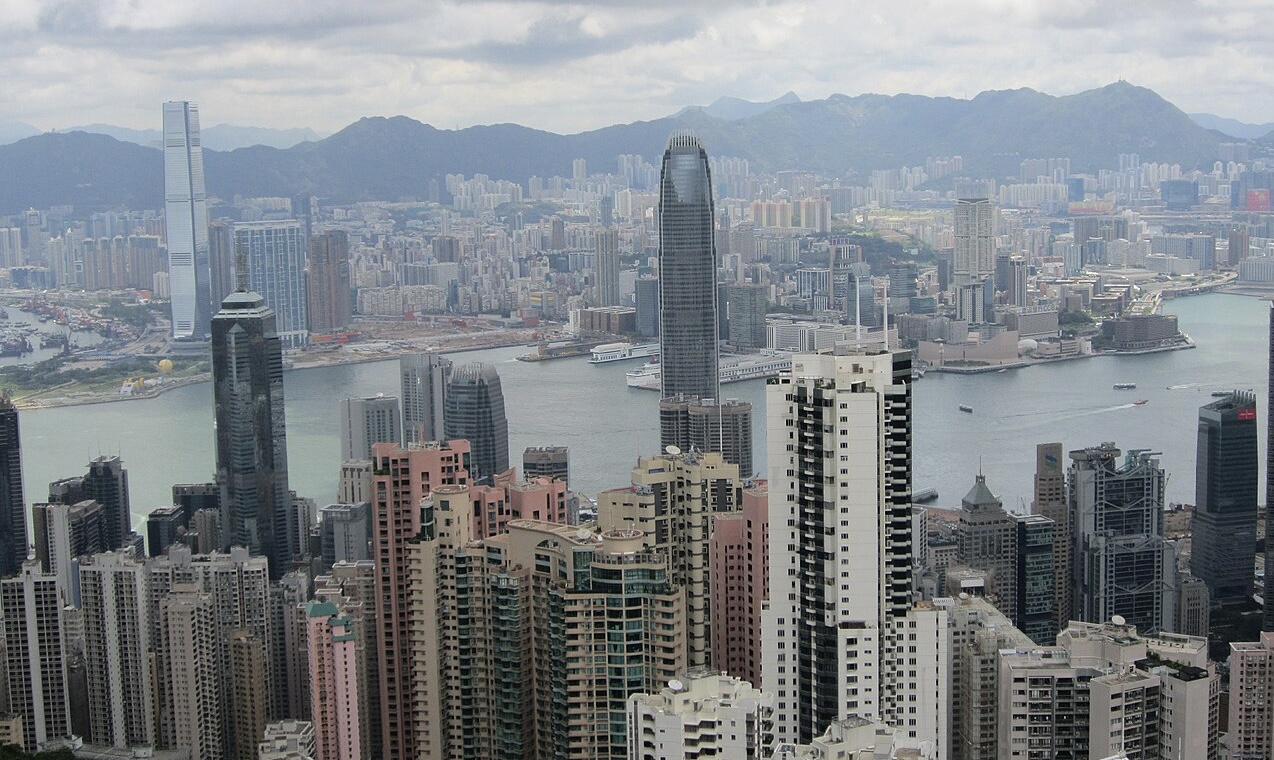
US media reported that the letters cited Treasury Department evidence that Iran routed roughly US$9 billion in 2024 through US correspondent accounts using networks of front companies, with activity concentrated in Hong Kong, Oman and the United Arab Emirates (UAE).
“I am writing to alert you that Treasury believes that a portion of these transactions, as well as additional transactions after 2024, were processed from banks you supervise through their US correspondents on behalf of direct customers linked to Iran,” according to the letter.
The Treasury Department urged the jurisdictions’ monetary regulators to work with banks under their supervision to identify and halt any Iran-related financial activity, including transactions routed through front companies or other evasive structures, citing significant illicit finance risks.
It added that the information had also been shared with US banks providing correspondent services so they could apply enhanced scrutiny to such transactions.
New anti-sanctions rules
In June 2021, China passed the Anti-Foreign Sanctions Law to bar individuals and companies from complying with US and other foreign sanctions within its jurisdiction. At the time, Chinese media said the framework could be extended to Hong Kong by adding it to the Basic Law’s Annex III.
However, Beijing did not implement it as some Hong Kong banks said the law would place them in a difficult position between Chinese and US regulatory demands.
In October 2022, Chief Executive John Lee said Hong Kong would not enforce s