北京周四对美国制裁购买伊朗石油国家的威胁不予理会。“中方反对未经联合国安理会授权的非法单边制裁,”外交部发言人郭继坤在外交部例行记者会上告诉记者。此前,美国财政部长斯科特·贝森特表示,华盛顿准备对购买伊朗石油的行为实施二级制裁,称此举在“金融等量级”上相当于在上周达成临时停火协议前,美国和以色列对伊朗进行的数周军事打击。“我们认为这种海峡封锁——中国买家的购买将会暂停——但我可以告诉你,两家中国银行收到了来自美国财政部的信函……我们告诉他们,如果我们能证明有伊朗资金流经你们的账户,那么我们愿意实施二级制裁,”他告诉记者,但未指明是哪些银行。《新闻周刊》已通过电子邮件联系中国驻美大使馆和伊朗外交部寻求评论。制裁威胁以及周一开始的美国封锁,是榨取伊朗石油收入(其经济支柱)并在进行的谈判中向德黑兰施压的“极限施压”运动的一部分。周日,美伊在巴基斯坦进行的第一轮谈判未能达成协议,双方均表示在核心问题上仍存在分歧,包括对伊朗核计划的限制和制裁解除。在伊朗为回应美国和以色列袭击而关闭航道导致近七周的中断后,此次封锁进一步限制了霍尔木兹海峡的交通。该海峡是全球约四分之一海运石油和五分之一液化天然气的重要通道。美国军方中央司令部周三表示,目前尚无船只突破封锁,所有尝试突破的10艘船只均被劝返。这个世界第二大经济体对保持

全球防务头条
Global Defense Headlines
中方回应美国针对伊朗石油客户的军事威胁
新闻周刊
美国媒体,涉华安全与军情话题曝光度高
摘要
据报道,美国中央司令部近期声称通过军事手段拦截了多艘试图违反禁令的船只,并对伊朗石油客户发出武力威胁。中方对此表示严正关注,强调维护地区能源供应链安全符合各方利益。美方的军事封锁与单边制裁措施,不仅对中方的战略能源供应构成挑战,也显著提升了该地区的军事对抗风险。中方一贯主张通过对话解决分歧,并致力于维护包括南海在内的关键海上通道的安全与航行自由。此举也反映了中美在能源安全与地区事务中的深刻博弈。
中文译文
英文原文
▼
收起原文
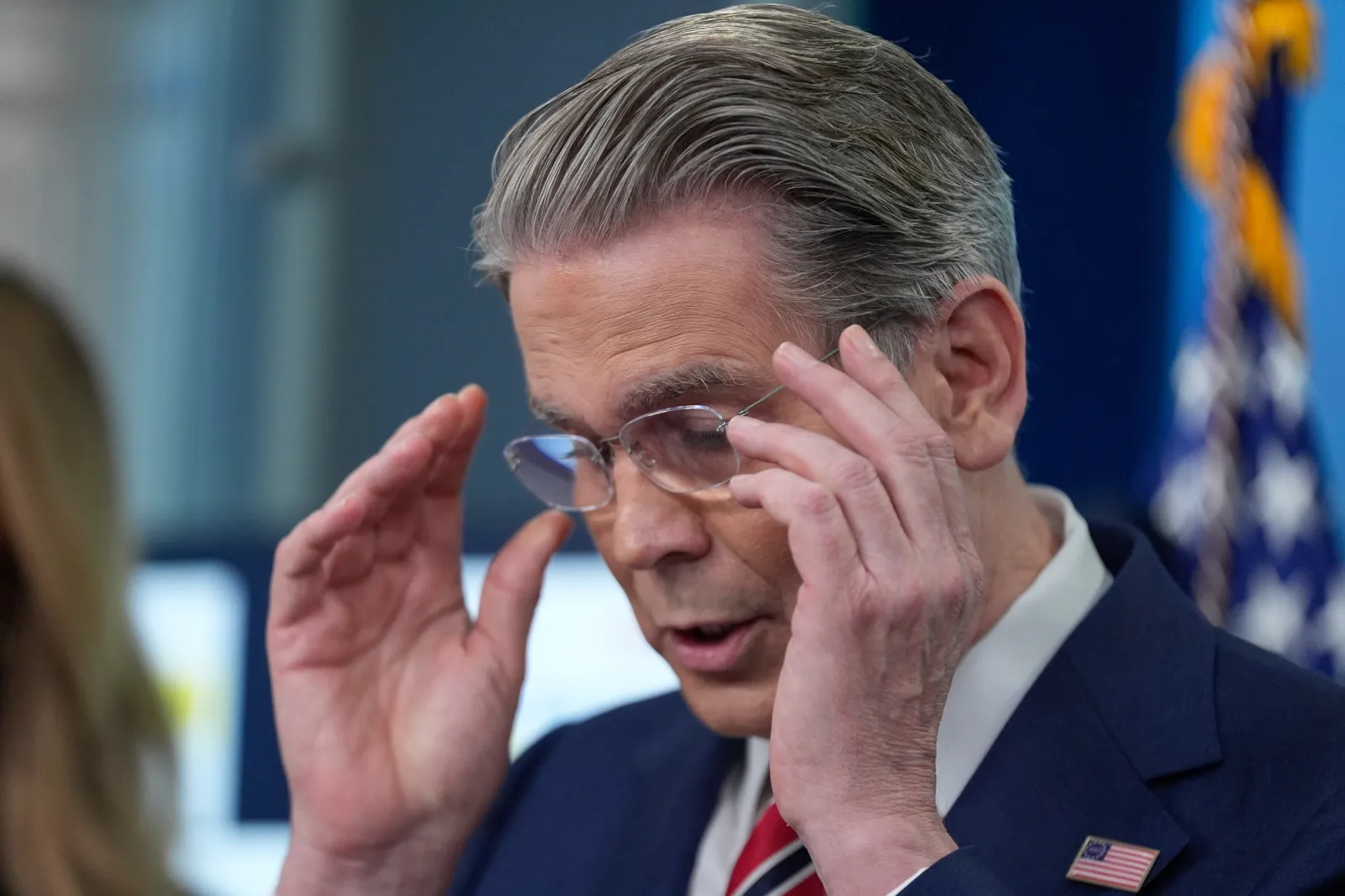
Beijing on Thursday brushed off the United States' threats of sanctions on countries that buy Iranian oil."China opposes illegal unilateral sanctions without authorization of the United Nations Security Council," Foreign Ministry spokesperson Guo Jiakun told reporters during the ministry's regular press briefing.The remarks came after U.S. Treasury Secretary Scott Bessent said Washington was prepared to impose secondary sanctions over purchases of Iranian oil, describing the move as the "financial equivalent" of the weeks of U.S. and Israeli military strikes on Iran before a temporary ceasefire was reached last week."We believe this blockade in the straits—there will be a pause of Chinese buying—but I will tell you that two Chinese banks received letters from the U.S. Treasury...we told them that if we can prove that there's Iranian money flowing through your accounts then we are willing to put on secondary sanctions," he told reporters, without identifying the banks.Newsweek reached out to the Chinese embassy in the U.S. and Iran's Foreign Ministry via email for comment.The sanctions threat, alongside the U.S. blockade that began Monday, is part of a maximalist campaign to squeeze Iran’s oil revenues—a central pillar of its economy—and pressure Tehran in ongoing negotiations. The first round of U.S.-Iran talks in Pakistan ended without agreement on Sunday, with both sides signaling gaps remained over core issues, including limits on Iran’s nuclear program and sanctions relief.The blockade further restricts traffic through the Strait of Hormuz, a key conduit for roughly one-quarter of global seaborne oil and one-fifth of liquefied natural gas, after nearly seven weeks of disruption caused by Iran’s closure of the waterway in response to U.S. and Israeli attacks. No vessels have breached the blockade, and all 10 vessels that attempted to were turned back, the U.S. military’s Central Command said Wednesday.The world's second-largest economy has a strong interest in keeping the waterway open and energy flows stable.While Beijing does not officially purchase sanctioned Iranian oil, it remains the destination for more than 80 percent of Iran’s crude exports, according to analytics firm Kpler. Iranian oil accounted for about 13.4 percent of China’s roughly 10.27 million barrels per day of seaborne imports, typically shipped via so-called “shadow fleet” vessels and offloaded onto other vessels for transfer to Chinese refineries.Treasury Secretary Scott Bessent speaks to reporters at the White House on April 15, 2026. | Manuel Balce Ceneta/AP"Beijing has built a layered evasion architecture that protects sanctioned oil trade at the two points where Western enforcement is designed to bite hardest: the origin of the cargo and the settlement of value," the House of Representatives' House Select Committee on the Chinese Communist Party wrote in a March report.Although China is less exposed to the shock than many of its neighbors due to its investments in ren