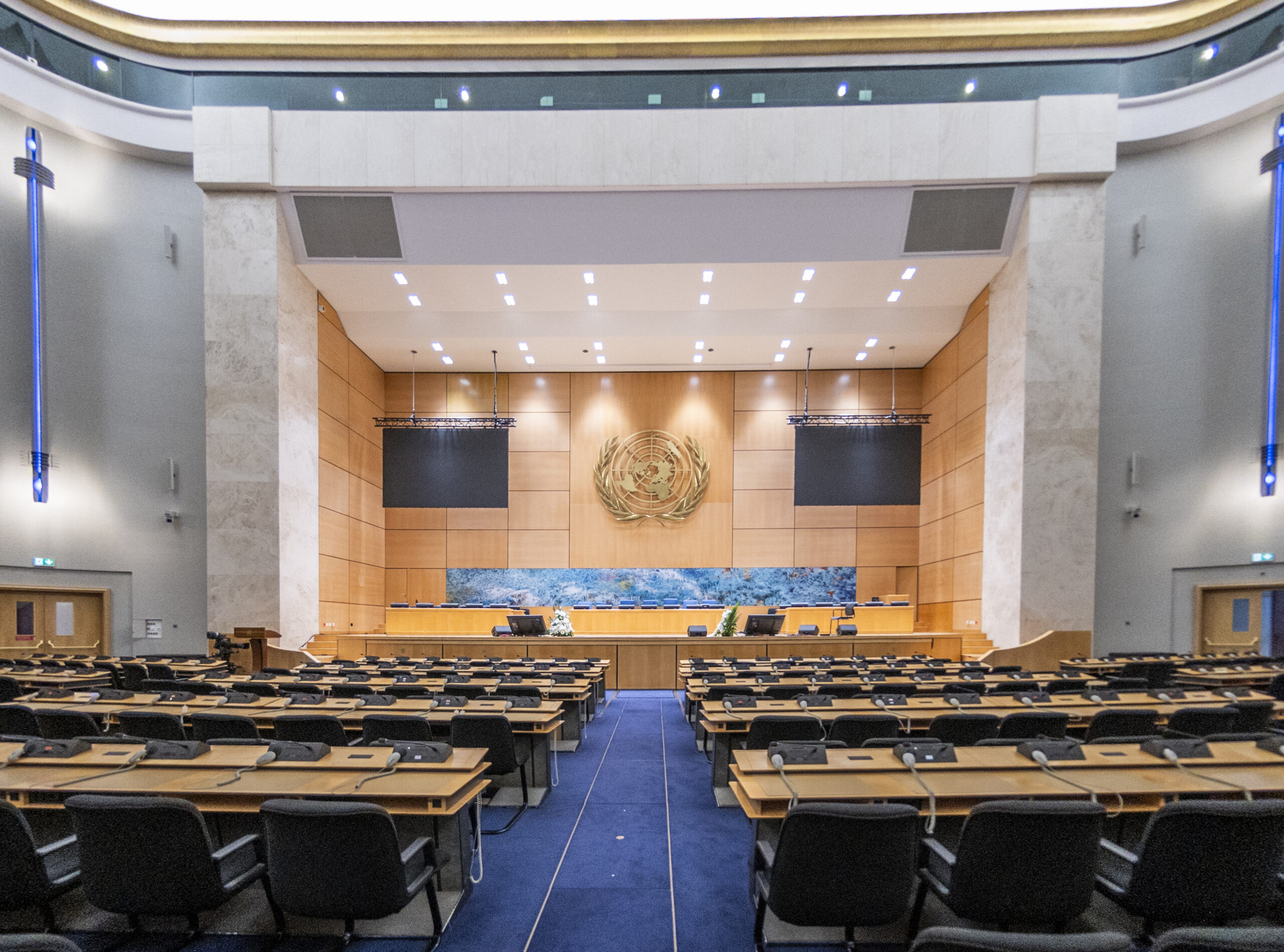
日内瓦——2月,当各国代表齐聚日内瓦参加联合国人权理事会第六十一届会议时,人权事务高级专员沃尔克·图尔克(Volker Türk)在开幕式上发表了主旨演讲,强调了国际人权体系在面对持续冲突和大规模暴行时的不可动摇性。他谈到了加强对正义和问责制承诺的必要性,包括“需要增加违反国际法的成本”。高级专员支持加强问责制的立场是正确的。这项行动应从追求对中国对待维吾尔人行为的更大问责开始,维吾尔人正遭受国内外镇压之苦。
在过去的十年里,中华人民共和国(PRC)使生活在新疆维吾尔自治区(XUAR)的维吾尔人和其他突厥语族群体遭受了前所未有的大规模任意拘留、强迫劳动、监视、强制绝育和酷刑。我的家人也直接受到了影响:我的哥哥埃克帕·阿萨特(Ekpar Asat)是一位科技企业家,也是美国国务院访问项目的参与者,他在十年前的本月被入狱。
作者的哥哥埃克帕·阿萨特,摄于2016年1月,即他2016年4月失踪前的几个月。
包括我在内的维吾尔族权利倡导者已经动员全世界,以终结这些暴行。第一步是承认中国对维吾尔人持续进行的暴行具有深远影响。中国政府正试图在新疆维吾尔自治区之外重新塑造国际法律准则,以推广国际法律专家汤姆·金斯伯格(Tom Ginsburg)所称的“威权国际法”。联合国人权事务高级专员办事处(OHCHR)在2022年的一份具有里程碑意义的报告中宣布,对维吾尔人广泛且系统性的迫害可能构成反人类罪。美国政府、全球人权组织和50名法律专家已认定这种罪[行]
GENEVA—As delegates convened in Geneva for the sixty-first session of the United Nations (UN) Human Rights Council in February, High Commissioner for Human Rights Volker Türk opened the session with a keynote address on the unshakeable nature of the international human rights system in the face of ongoing conflicts and mass atrocities. He spoke about the need for a stronger commitment to justice and accountability, including the “need to increase the cost of breaking international law.” The high commissioner is right to champion greater accountability. Action on this should start by pursuing greater accountability for China’s treatment of Uyghurs, who are suffering under repression both at home and abroad.
For the past decade, the People’s Republic of China (PRC) has subjected Uyghurs and other Turkic ethnic groups living in the Xinjiang Uyghur Autonomous Region (XUAR) to an unprecedented campaign of mass arbitrary detention, forced labor, surveillance, enforced sterilizations, and torture. My family has been directly affected: My brother Ekpar Asat, a tech entrepreneur and participant in a US State Department visitor program, was imprisoned a decade ago this month.
Ekpar Asat, the author’s brother, in January 2016, a few months before his disappearance in April 2016.
Advocates of Uyghur rights—myself included—have rallied the world to put an end to the atrocities. A first step is acknowledging that China’s ongoing atrocities against the Uyghurs have far-reaching ramifications. Well beyond the XUAR, the Chinese government is attempting to reshape international legal norms to promote what international legal expert Tom Ginsburg has termed “authoritarian international law.” The Office of the High Commissioner for Human Rights (OHCHR), in a landmark 2022 report, declared that the widespread and systematic persecution of Uyghurs may constitute crimes against humanity. The US government, global human rights organizations, and fifty legal experts have determined that crimes against Uyghurs may constitute a genocide under the UN Genocide Convention.
This brutality reached beyond China’s borders; the PRC’s long arm of transnational repression extends to Chinese dissidents, pro-democracy activists, and Uyghur diaspora communities around the world. Representing the Atlantic Council’s Strategic Litigation Project, I have worked in collaboration with a team of New York University Law School students, including Eva d’Amato and Anna Lebrun, to analyze the international legal ramifications of China’s ongoing atrocities in Xinjiang and its relentless campaign of transnational repression. It was this work that brought me to Geneva.
How does transnational repression manifest?
The PRC, in coordination with willing governments, detains and forcibly repatriates Uyghurs who fled Xinjiang to escape the PRC’s atrocities. In the past decade, PRC officials have coerced Uyghurs and other Turkic people abroad to return to the XUAR, only to detain them indefinitely. In this