TOKYO — On top of the tariffs, wars and inflation upending the global economy, US chieftains are grappling with a new question: which tech companies might get “BYD-ed” next? The reference here is to the Chinese electric-vehicle juggernaut that’s zoomed past Elon Musk’s Tesla and its peers to become No. 1 globally.
The idea that the Shenzhen EV company was an aberration has since been dispelled by the “DeepSeek shock,” which disrupted the artificial intelligence realm, and by a number of other startup successes, from Horizon Robotics to autonomous vehicle shop Qcraft.
But as 2026 unfolds, and US President Donald Trump prioritizes trade wars over investing in raising America’s tech game, China is not so quietly grabbing market share around the globe despite Trump’s tariffs and trade curbs.
And thanks to the “Made in China 2025” program Xi Jinping launched in 2015, this isn’t spin but economic reality. And this latest “China shock”, increasingly known as “China shock 2.0”, is becoming the talk of corporate boardrooms everywhere.
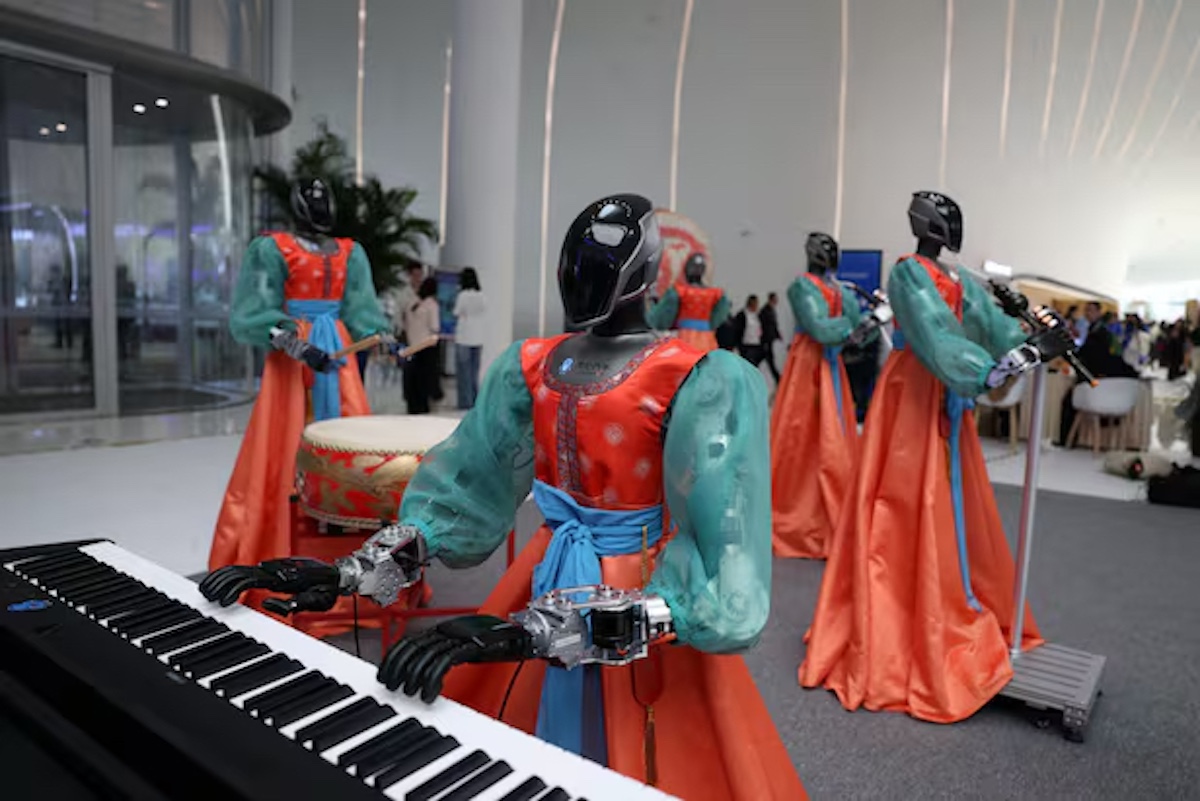
The reason: 11 years on, the fruits of Xi’s effort to expand China’s footprint in EVs, AI, batteries, biotechnology, renewable energy, robotics, semiconductors and other future technologies are making more and more headlines in the Western media.
As economist Rob Subbaraman at Nomura Holdings explains, the original “China shock” was the epochal disruptions caused by the surge in imports from China after its 2001 entry into the World Trade Organization. The subsequent surge in foreign direct investment inflows helped transform China’s cheap labor into the world’s factory floor.
Corporate America suddenly realized that China-made consumer goods were becoming ubiquitous in the West. By 2017, when the Trump 1.0 presidency began, China accounted for 22% of the US’s total goods imports. While this dynamic helped tame global inflation, Subbaraman explains, it “hollowed out its manufacturing industry, causing significant job losses.”
Since then, “China’s supply-oriented fiscal approach of upgrading its industrial capacity and its deepening struggle to revive local consumer demand have given rise to the second China shock,” Subbaraman explains.
This “China shock 2.0 refers to the overcapacity in China that has led to price wars and an erosion of profit margins. Rather than retreating, China’s highly competitive manufacturers have redirected sales from the deflationary environment at home to foreign markets.”
Much of the discussion about this latest wave of Chinese competitiveness has focused on how it’s altering economic dynamics inside Asia’s biggest economy. As competition at home intensifies, Xi’s Communist Party has been trying to clamp down on excessive price competition — what economists term “anti-involution.”
Because China is “not so focused on boosting consumption at home, they’re basically making way more stuff than they can sell in their own domestic market,” notes Brookings Institution economist Jon Czin. “So a lot of tha
DIRECT2026年4月17日
分析称美对华经贸限制与关税政策引发全球竞争震荡
Asia Times亚洲评论媒体,涉华与地区战略分析密集