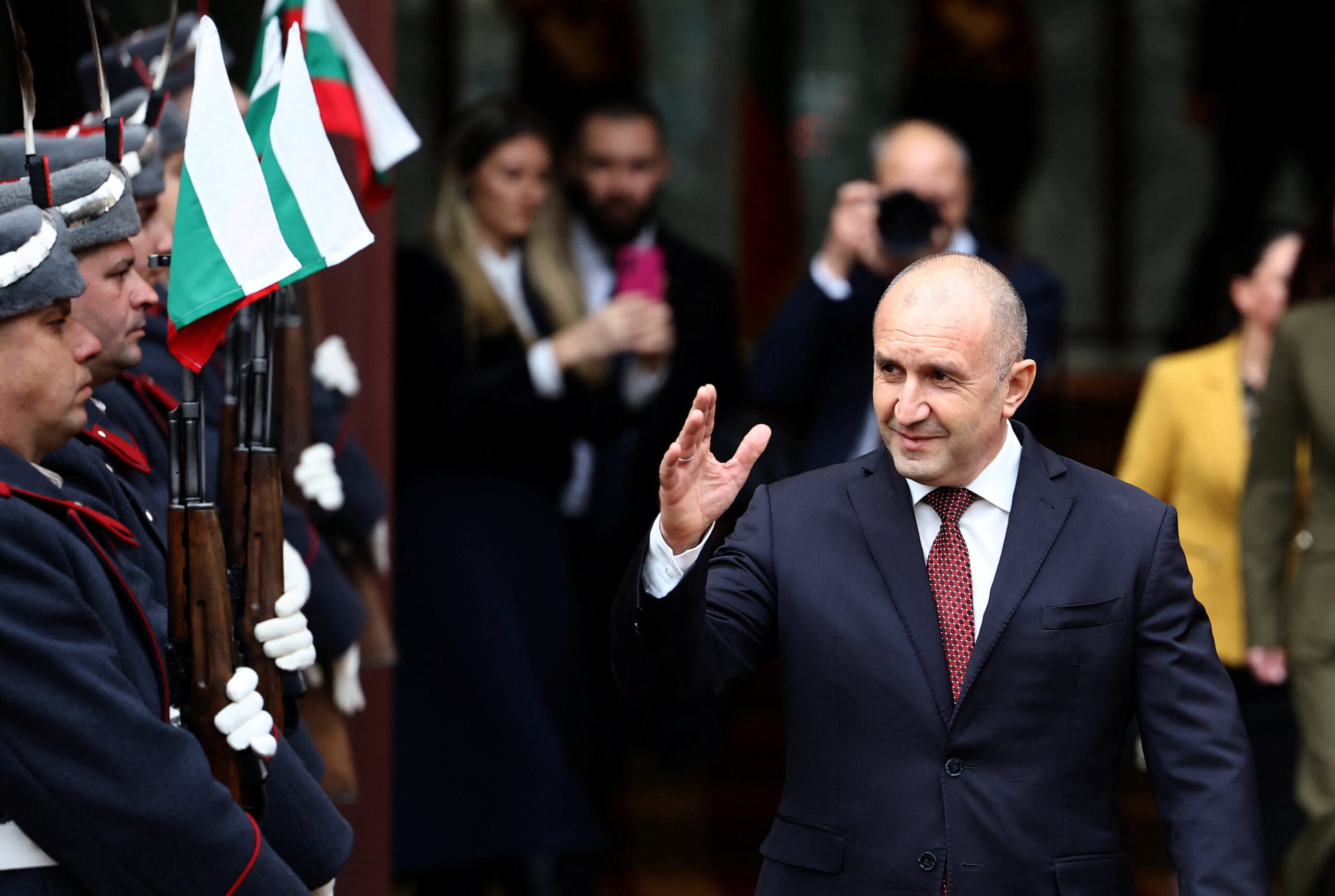
许多乌克兰人对上周末邻国匈牙利维克多·欧尔班(Viktor Orbán)在选举中遭遇惨败表示欢迎。这很容易理解。多年来,欧尔班政府一直是北约和欧盟内部的亲俄声音,同时也始终阻挠乌克兰的欧洲-大西洋一体化,并阻碍支持乌克兰战争努力的行动。
基辅目前持谨慎乐观态度,认为欧尔班的下台将意味着欧洲在抗击俄罗斯的战斗中对乌克兰提供更多支持,并为该国最终加入欧盟提供更清晰的路径。欧洲许多国家的首都也持有同样的希望。然而,一个新的潜在障碍正出现在地平线上。随着保加利亚定于4月19日举行议会选举,俄罗斯可能很快会在布鲁塞尔获得一个新的盟友。
保持更新
在全球关注俄罗斯入侵乌克兰局势发展之际,“乌克兰观察”(UkraineAlert)每周两次直接将大西洋理事会专家对乌克兰的最佳见解和分析发送到您的收件箱。
如果目前的民调数据被证明是准确的,保加利亚亲俄的前总统鲁门·拉德夫(Rumen Radev)可能会在欧盟内部取代欧尔班,成为该联盟最强烈的反乌克兰声音和俄罗斯利益的捍卫者。拉德夫从2017年起担任保加利亚总统,直到今年早些时候辞职竞选议会议员,他谴责欧盟对俄制裁,并反对保加利亚国防工业向乌克兰供应弹药的努力。
作为前空军将军和共产党党员,拉德夫对美国也并不友好。2019年6月,他否决了保加利亚政府从美国购买16架F-16战斗机的交易。这一否决非常不得人心,以至于议会推翻了它。交易得以继续,但批评者认为这一事件是拉德夫反美立场的证据。
自卸任总统以来,拉德夫继续对该国支持乌克兰提出质疑。2026年3月,保加利亚看守[政府]
Many Ukrainians welcomed the overwhelming election defeat of Viktor Orbán in neighboring Hungary last weekend. It is easy to understand why. For years, Orbán’s government had served as a pro-Russian voice within NATO and the European Union, while also consistently obstructing Ukraine’s Euro-Atlantic integration and blocking efforts to back the Ukrainian war effort.
There is now guarded optimism in Kyiv that Orbán’s departure will mean more European support for Ukraine in the fight against Russia, along with a clearer pathway toward the country’s eventual EU membership. These hopes are shared in numerous European capitals. However, a potential new obstacle is now looming on the horizon. With Bulgaria set to vote on April 19 in the country’s parliamentary elections, there is a chance that Russia may soon secure a new ally in Brussels.
Stay updated
As the world watches the Russian invasion of Ukraine unfold, UkraineAlert delivers the best Atlantic Council expert insight and analysis on Ukraine twice a week directly to your inbox.
If current polling data proves accurate, Bulgaria’s pro-Russian former president Rumen Radev could replace Orbán within the European Union as the bloc’s strongest anti-Ukrainian voice and defender of Russian interests. As president of Bulgaria from 2017 until his resignation earlier this year to run for parliament, Radev condemned EU sanctions against Russia and opposed efforts by the Bulgarian defense industry to supply Ukraine with ammunition.
A former air force general and Communist Party member, Radev has been no friend of United States either. In June 2019, he vetoed the Bulgarian government’s acquisition of sixteen F-16 fighter jets from the US. The veto was so unpopular that parliament overrode it. The deal went forward, but critics saw the incident as evidence of Radev’s anti-American position.
Since stepping down from the presidency, Radev has continued to question his country’s support for Ukraine. In March 2026, caretaker Bulgarian Prime Minister Andrey Gyurov traveled to Kyiv and concluded a ten-year bilateral security agreement similar to those signed by 28 other nations. Radev used the agreement to attack Gyurov in an apparent bid to curry favor with Russian-leaning Bulgarian voters.
Eurasia Center events
This week’s Bulgarian parliamentary election will be the country’s eighth since November 2021. Bulgarian voter sympathies are finely balanced, with around one-third favoring Russia and one-third leaning toward Europe, leading to slim majorities and weak coalitions that tend to rapidly unravel. Radev’s nine years as president mean he is widely viewed as a stability candidate in a time of prolonged political turmoil.
As the current election campaign comes to an end, Radev’s Progressive Bulgaria political party is leading in the polls with around 30 percent. If this translates into votes, he will be in a position to form a new administration together with some smaller pro-Russian parties.
A Radev-led governm