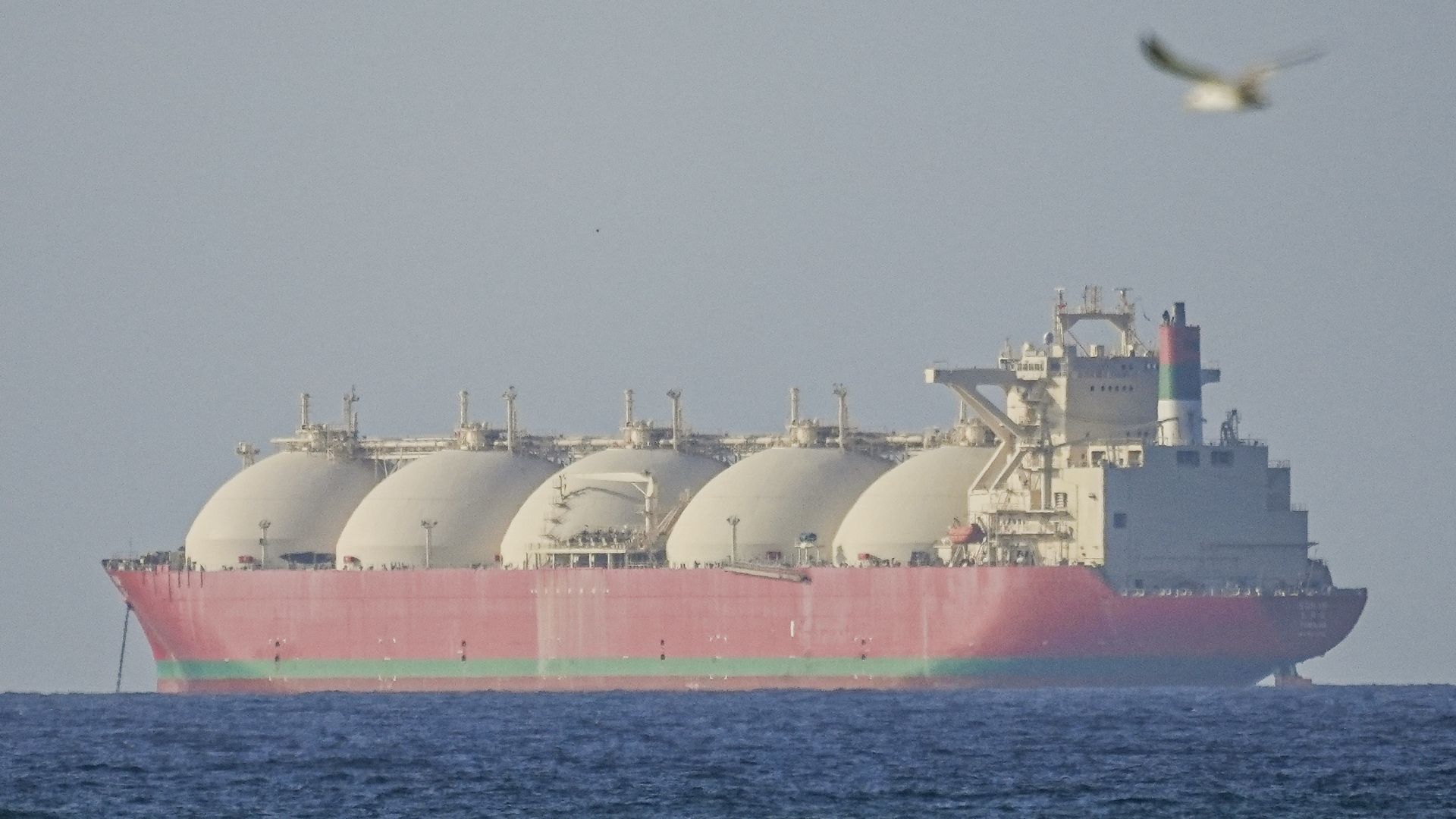
由于中东局势紧张破坏了世界上最重要的航运路线之一,欧洲可能会在几周内面临航空燃料严重短缺的问题。
国际能源署(IEA)发出警告称,由于美方、以方和伊方之间从2月28日开始的冲突升级,霍尔木兹海峡目前基本处于关闭状态。该机构执行干事法提赫·比罗尔表示,这种情况的规模是前所未有的,称其为“我们面临过的最大能源危机”,并补充说经济损失不会仅限于欧洲,亚洲、非洲和拉丁美洲的发展中地区预计将感受到更剧烈的冲击。比罗尔说:“如果霍尔木兹海峡不永久重新开放,每个人都将遭受痛苦。”
这种中断已经严重打击了航空业。欧洲约75%的进口航空燃料来自中东,这使得该地区极易受到供应中断的影响。随着货物停滞,预计航空公司将随着燃料储备的萎缩而开始取消航班。一些美方航空公司已经开始通过增加行李费来适应成本上升。行业分析师警告说,如果危机持续下去,机票价格可能会紧随其后上涨。
霍尔木兹海峡此前处理了全球约20%的石油运输。随着交通受到严重限制,航空燃料等精炼燃料的供应链正面临严峻压力。据报道,伊方探索了一套争议系统,通过收取通行费允许船只通过。这些费用每艘船可能高达200万美元,并可能以加密货币支付。这一想法引起了全球能源领袖的关注。比罗尔敦促确保石油的无条件流动。
Europe could run dangerously low on jet fuel within weeks as tensions in the Middle East disrupt one of the world’s most critical shipping routes.
The warning came from the International Energy Agency, as the Strait of Hormuz remains largely shut following an escalating conflict involving the United States, Israel, and Iran that began on February 28.
Fatih Birol, executive director of the agency, told the Associated Press that the situation is unprecedented in scale.
He described it as “the largest energy crisis we have ever faced,” adding that the economic damage will not be limited to Europe. Developing regions across Asia, Africa, and Latin America are expected to feel even sharper impacts.
“Everybody is going to suffer,” Birol said about the economic pain that will be caused if the Strait of Hormuz isn’t reopened for good.
The disruption is already hitting aviation hard. Around 75% of Europe’s imported jet fuel comes from the Middle East, making the region highly vulnerable to supply interruptions. With shipments stalled, airlines are expected to begin canceling flights as fuel reserves shrink.
Some U.S. carriers have already started adjusting to rising costs by increasing baggage fees. Industry analysts warn that ticket prices could climb next if the crisis continues.
The Strait of Hormuz, a narrow waterway between the Persian Gulf and the Gulf of Oman, previously handled about 20 percent of the world’s oil shipments. With traffic now heavily restricted, supply chains for refined fuels such as jet fuel are under severe strain.
Shipping tensions and controversial toll proposals
Iran has reportedly explored a controversial system to allow ships through the strait by charging tolls. These fees could reach as high as $2 million per vessel, potentially paid in cryptocurrency. The idea has sparked concern among global energy leaders.
Birol pushed back against the proposal, emphasizing the need for uninterrupted oil flow. “I would like to see that the oil flows unconditionally from point A to point B,” he told the Associated Press.
Adding to the complexity, President Donald Trump has suggested the possibility of a joint toll system involving both the United States and Iran. Such proposals have raised questions about control of international waterways and the future of global energy trade.
Military escalation deepens uncertainty
The current crisis traces back to the military campaign launched on February 28, when U.S. and Israeli forces began strikes on Iran. The justification for the conflict has shifted over time, ranging from preventing nuclear development to broader geopolitical goals.
Despite repeated claims from Trump that the U.S. has already won, Iran’s government remains in place, and there are no clear signs that its nuclear capabilities have been eliminated.
In response to the conflict, Iran has effectively shut down most traffic through the Strait of Hormuz. The U.S. has countered with what it calls a targeted blockade of Iranian ports i