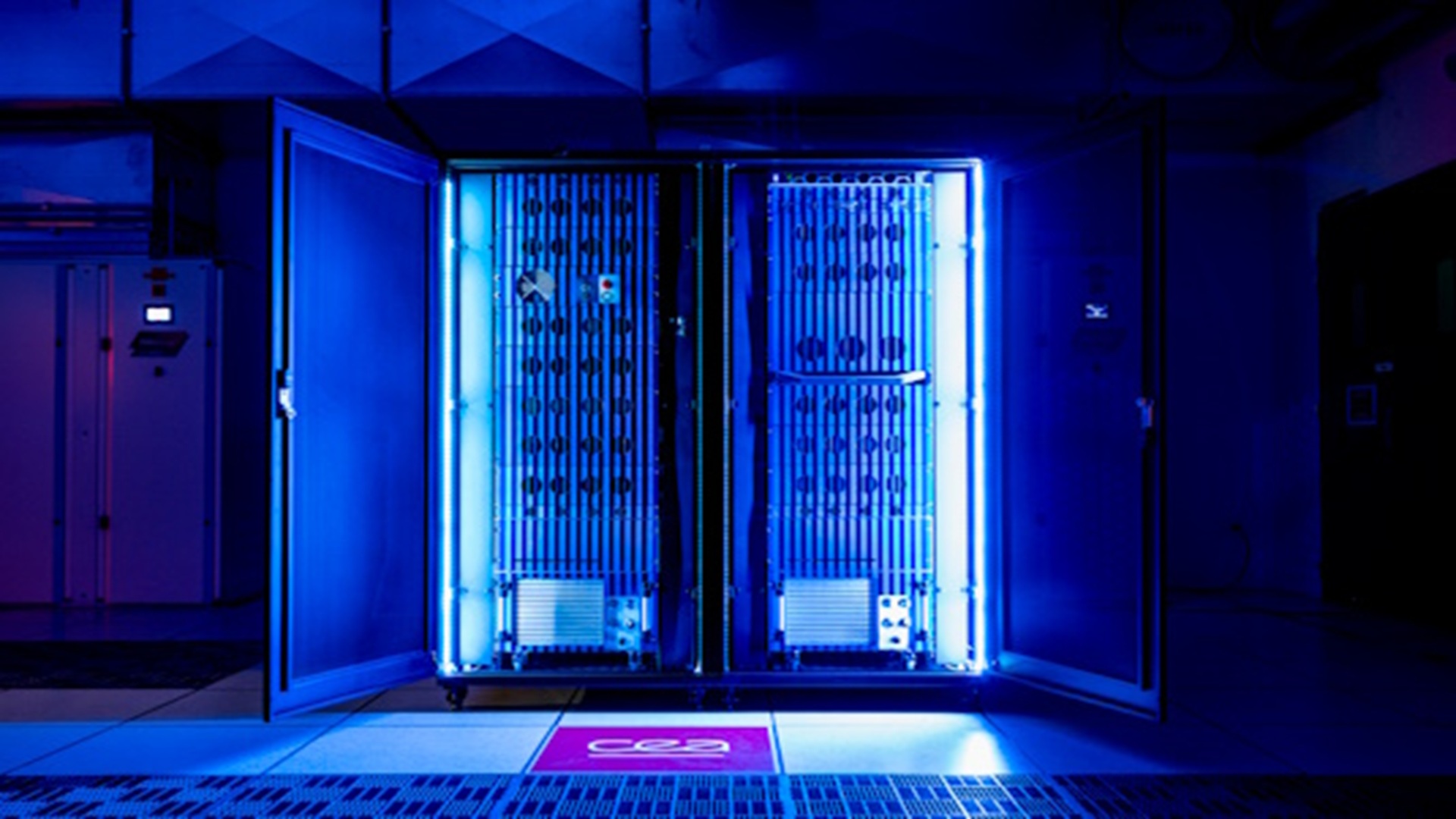
一架名为Lucy的12量子比特光子量子计算机已与法国的Joliot-Curie超级计算机集成,标志着混合量子-经典计算迈出了新的一步。
该系统安装在非常大型计算中心(TGCC),这是由法国原子能和替代能源委员会运营的主要高性能计算设施。Lucy由Quandela开发,被称为迄今为止在欧洲部署的最强大的光子量子计算机。该系统已集成到现有的超级计算基础设施中,以允许针对复杂的计算任务进行量子和经典组合处理。
该项目是在EuroHPC联合行动下进行的,CEA和GENCI参与其中。Lucy于2025年10月安装,预计将在未来几周内上线,供欧洲各地的研究人员使用。此次集成遵循了早前在该设施部署的另一个Quandela系统Belenos,标志着在操作环境中将量子系统与传统超级计算机结合的更广泛推动。
混合计算初具规模
一旦投入运行,Lucy将支持一系列应用,包括能源网优化、物流、风险建模和航空航天设计。在这些领域,经典系统在处理规模或复杂性方面面临挑战,特别是涉及大数据集和多变量模拟时。CEA行政总干事Anne-Isabelle Etienvre表示:“通过Lucy,CEA再次展示了其对量子计算长期承诺的具体转化。从我们基础研究团队开发的第一个量子比特,到在TGCC探索量子机器与经典超级计算机的连接。”
这种集成反映了混合系统日益增长的趋势,即量子计算机与高性能计算系统协同使用,而不是作为独立替代品。
A 12-qubit photonic quantum computer called Lucy has been integrated with the Joliot-Curie supercomputer in France, marking a new step in hybrid quantum-classical computing.
The system is installed at the Très Grand Centre de Calcul (TGCC), a major high-performance computing facility operated by the French Alternative Energies and Atomic Energy Commission.
Developed by Quandela, Lucy is described as the most powerful photonic quantum computer deployed in Europe to date.
The system has been integrated into the existing supercomputing infrastructure to allow combined quantum and classical processing for complex computational tasks.
The project was carried out under the EuroHPC Joint Undertaking, with involvement from the CEA and GENCI. Lucy was installed in October 2025 and is expected to come online in the coming weeks, making it accessible to researchers across Europe.
The integration follows an earlier deployment of another Quandela system, Belenos, at the same facility, signaling a broader push to combine quantum systems with traditional supercomputers in operational environments.
Hybrid computing takes shape
Once operational, Lucy will support a range of applications, including energy grid optimization, logistics, risk modeling, and aerospace design.
These are areas where classical systems alone struggle with scale or complexity, especially when dealing with large datasets and multi-variable simulations.
“With Lucy, the CEA is once again demonstrating a concrete translation of its long-standing commitment to quantum computing,” said Anne-Isabelle Etienvre, administrator general of the CEA.
“From the first qubits developed by our fundamental research teams… to the exploration of connecting quantum machines with classical supercomputers at the TGCC.”
The integration reflects a growing trend toward hybrid systems, where quantum computers are used alongside high-performance computing systems rather than as standalone replacements.
This approach is seen as a practical pathway to near-term quantum advantage, allowing researchers to offload specific calculations to quantum processors while relying on classical systems for broader workflows.
Europe’s quantum push grows
Quandela CEO Niccolo Somaschi pointed to the broader regional implications of the project.
“This project is also the result of close cooperation with our German partner Attocube and fully embodies the Franco-German dynamic in service of European technological sovereignty.”
The Lucy system uses photonic quantum computing, which relies on light particles instead of superconducting circuits.
This approach avoids the need for extreme cryogenic cooling and allows the system to fit into standard data center environments, making integration with existing infrastructure easier.
The development also comes as Europe prepares for next-generation supercomputing systems.
Plans are already in place to replace the Joliot-Curie system with the upcoming Alice Recoque exascale machine, which is expected