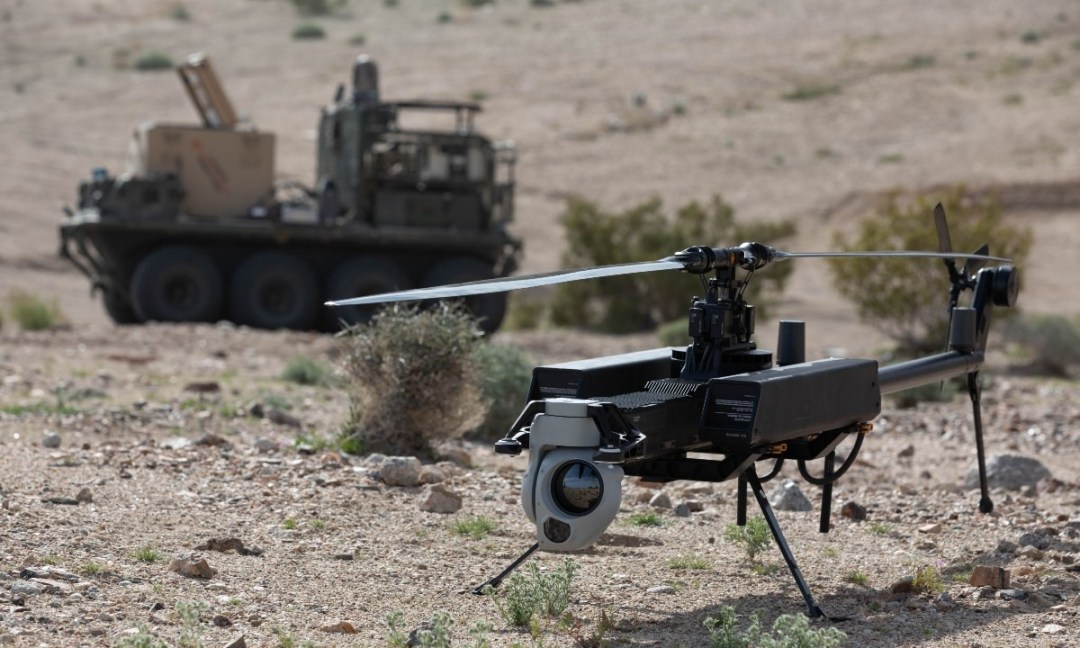
在乌克兰,战场已经变得透明。前线的天空充斥着传感器和打击平台。小型无人机不断在上方盘旋,实时监控战壕、车辆和补给线。第一人称视角(FPV)无人机在发现目标后的几秒钟内即可发动打击。结果是一个移动即暴露的战场,生存越来越取决于谁先看见对方。许多观察家得出结论,谁能凭借无人机统治天空,谁就能赢得战争。但他们只说对了一半。
关于无人机系统是否改变了战争,现在已经没有严肃的争论了。战术隐蔽变得困难得多。即使是在后方移动也并非没有风险。在乌克兰,士兵们经常描述前线处于恒定的观察之下。
俄乌战争证实了无人机是现代战术战争的标志性武器。但是,虽然无人机无疑改变了交战方式,它们并没有改变决定谁最终赢得战争的因素。战争仍然是耐力、物流、物理控制和持续存在的竞争。军队仍必须运送补给、加固阵地、撤离伤员并守住地形。无人机可以观察并打击战壕,但它不能占据十字路口、守卫补给线或物理控制一片土地。
展示无人机在空中统治地位的同一个战场也揭示了它们的局限性。随着无人机的普及,反制手段也在增加。截至2025年12月,乌克兰对单程攻击无人机的拦截率维持在80%左右。伪装、隐蔽和欺骗等被动防御措施也在随之演进。最终,战争的胜利将由能够在地面持续生存、移动并实施控制的无人化平台——即地面无人车辆(UGV)来决定。
In Ukraine, the battlefield has become transparent. The sky over the front line is saturated with sensors and strike platforms. Small drones hover constantly above, watching trenches, vehicles, and supply routes in real time. First-person-view drones strike within seconds of detection. The result is a battlefield where movement is exposed and survival increasingly depends on who can see first. Many observers have concluded that whoever dominates the air with drones will dominate the war. They are only half right.
There is no longer any serious debate about whether unmanned aircraft systems have changed warfare. Tactical concealment has become much more difficult. Even moving in a rear area is not without risks. Formations that previously maneuvered beyond direct observation now assume they are always watched from above. In Ukraine, soldiers routinely describe the front line as under constant observation.
The Russia-Ukraine war has confirmed that drones are the defining weapons of modern tactical warfare. But while drones have undeniably transformed how engagements are fought, they have not changed the factors that ultimately determine who wins wars. War remains a contest of endurance, logistics, physical control, and sustained presence. Armies must still move supplies, reinforce positions, evacuate casualties, and hold terrain against an attack. They must maintain lines of communication, secure key ground, and persist under pressure. A drone can observe a trench and strike it immediately. It cannot, however, occupy a crossroads, guard a supply route, or physically control a piece of terrain.
The same battlefield that demonstrates the dominance of drones in the air also reveals their limits. As drones proliferate, so do the means to counter them. Ukraine’s one-way attack drone interception rate hovered around 80 percent as of December 2025. Passive defensive measures like camouflage, concealment, and deception have evolved in response to the proliferation of drones. Active measures like electronic warfare systems disrupt navigation and control links to a drone’s operator. The airspace over the front remains lethal, but it is increasingly contested and increasingly defined by attrition. Ukrainian air defense forces neutralized 96 out of 105 attack drones on a single day recently. These measures allow a smaller, more technically capable military to achieve a strong defense. However, they do not allow for decisive maneuver to seize terrain.
At the same time as drone proliferation has grabbed headlines, a quieter technological shift is also underway. Militaries are investing heavily in a different class of unmanned systems designed not for observation and strike from above but for action on the ground. Autonomous unmanned ground vehicles are being developed to move supplies, carry sensors, transport munitions, relay communications, and support maneuver forces in contested environments. Unlike aerial drones, these systems are built for persistence. The